
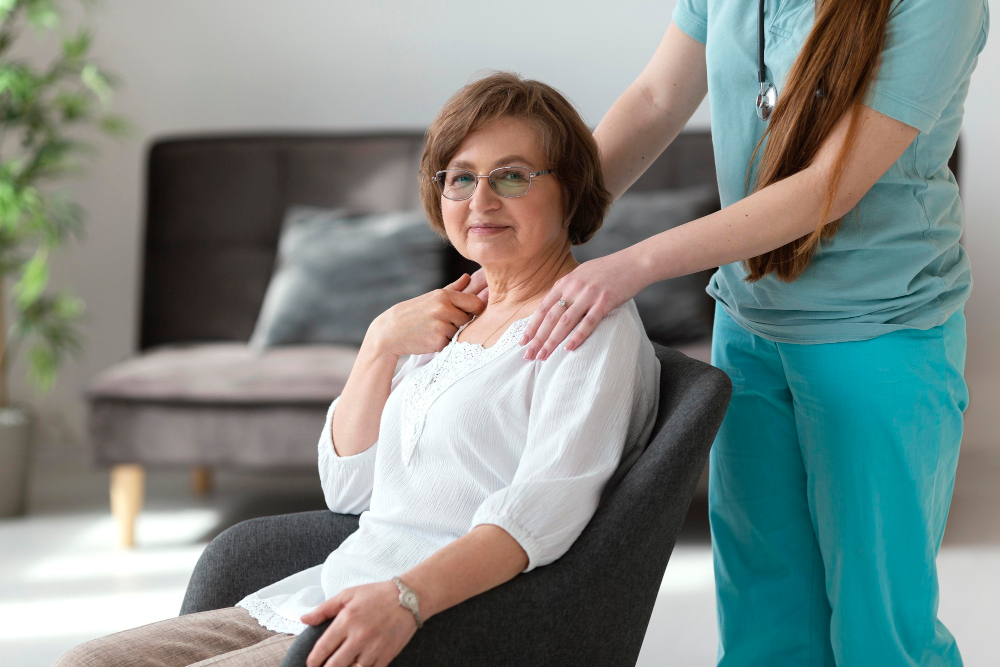
Case Management plays a vital role in helping seniors maintain independence, safety, and dignity while continuing to live in the comfort of their own homes. As people age, daily life can become more complicated due to health concerns, mobility limitations, and the need to coordinate multiple services. Families often try their best to help, but managing care for an aging loved one can quickly become overwhelming. A structured and professional approach to coordinating care can significantly improve the well being and quality of life for seniors.
When seniors receive organized guidance and support, they are better able to manage their health, remain socially connected, and avoid unnecessary hospital visits. This is where professional oversight and planning become incredibly valuable. By carefully coordinating healthcare providers, support services, and family involvement, older adults can experience a safer and more fulfilling life at home.
Topics Covered
- Understanding the role of Case Management in senior home care
- How Case Management improves health outcomes for seniors
- Supporting independence and daily living at home
- Reducing stress for families through effective Case Management
- Why coordinated care leads to a better quality of life
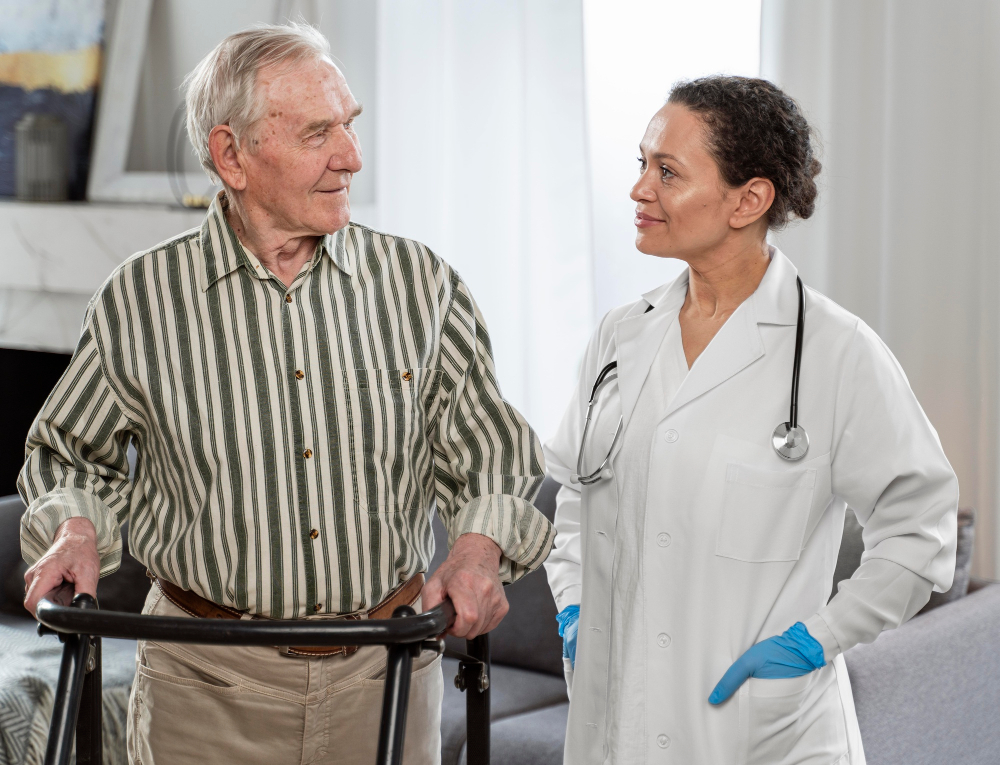
Understanding the role of Case Management in senior home care
Case Management involves overseeing and coordinating various aspects of a senior’s care to ensure that their needs are met effectively and consistently. A care professional assesses the senior’s medical, emotional, and daily living needs and then creates a personalized plan designed to support their lifestyle.
This process typically begins with a detailed assessment. The care manager evaluates the senior’s health conditions, medications, mobility level, and living environment. They may also review family support, transportation needs, and access to community resources. After gathering this information, a care plan is developed to address both immediate concerns and long term goals.
The care manager then becomes a central point of communication between doctors, caregivers, family members, and other service providers. By coordinating these moving parts, they help ensure that nothing falls through the cracks. Seniors benefit from consistent oversight, while families gain peace of mind knowing that someone is actively monitoring their loved one’s care.
How Case Management improves health outcomes for seniors
One of the most important benefits of Case Management is improved health management. Many seniors live with chronic conditions that require regular monitoring, medication management, and frequent medical appointments. Without proper coordination, it is easy for important instructions or treatments to be overlooked.
A care manager helps organize medical appointments, ensures medications are taken correctly, and communicates with healthcare providers when changes occur. If a new symptom appears or a condition worsens, the care manager can quickly respond and coordinate appropriate care.
This level of oversight often leads to earlier detection of potential problems. By addressing health issues before they become serious, seniors are less likely to experience emergency hospital visits or complications. Consistent monitoring and communication help create a more stable health environment for aging adults.
Supporting independence and daily living at home
Most seniors strongly prefer to remain in their own homes as they age. Living in a familiar environment provides comfort, stability, and emotional security. However, maintaining independence can become difficult when daily tasks become physically challenging.
Through thoughtful planning and coordination, Case Management supports seniors in continuing to live safely at home. Care managers can arrange services such as personal care assistance, meal preparation, transportation to medical appointments, and household support.
They also evaluate the home environment to identify potential safety risks. Simple adjustments such as installing grab bars, improving lighting, or rearranging furniture can significantly reduce the risk of accidents and falls.
By combining practical support with personalized planning, seniors are able to maintain a sense of control over their daily lives. Instead of feeling dependent or isolated, they remain active participants in their own care and decision making.

Reducing stress for families through effective Case Management
Family members often take on the role of caregiver for aging loved ones, but balancing caregiving responsibilities with work, parenting, and personal obligations can be extremely demanding. Many families struggle with questions about medical decisions, available services, and how to manage sudden health changes.
Case Management helps relieve this pressure by providing professional guidance and organization. Care managers assist families in understanding available care options and help them make informed decisions about services and support.
They also coordinate communication among doctors, therapists, caregivers, and family members. Instead of trying to manage multiple phone calls and appointments, families can rely on a central point of contact who keeps everyone informed.
This support allows families to focus more on spending quality time with their loved ones rather than constantly worrying about logistics and coordination. Knowing that a professional is overseeing care can bring tremendous reassurance.
Why coordinated care leads to a better quality of life
Aging at home can be a positive and fulfilling experience when the right systems are in place. With thoughtful planning, consistent communication, and reliable support, seniors can enjoy greater comfort, safety, and independence.
Case Management brings all of these elements together by organizing care in a structured and compassionate way. Instead of fragmented services and confusion, seniors receive coordinated attention that addresses their full range of needs.
Families benefit from clear guidance and reduced stress, while seniors experience greater stability in their daily lives. Medical care becomes easier to manage, home safety improves, and emotional wellbeing receives the attention it deserves.
When care is properly organized and monitored, seniors are able to focus less on the challenges of aging and more on enjoying life at home. With the right support system in place, growing older does not mean losing independence. Instead, it becomes an opportunity to continue living with dignity, comfort, and confidence.