
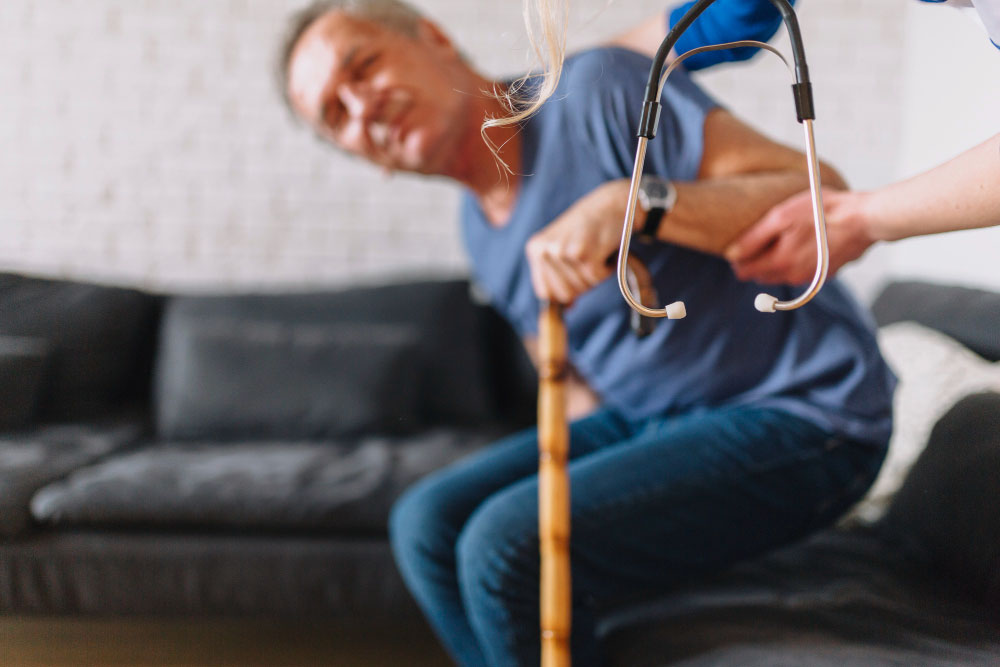
Fall prevention tips are often overlooked until something serious happens, but the truth is that small, consistent changes can make a huge difference in keeping older adults safe and independent. As we age, balance, strength, and reaction time naturally shift, which means everyday routines can quietly become riskier. The good news is that many of these risks are manageable with awareness and a few practical adjustments.
Falls are not just minor accidents. They can lead to injuries that affect mobility, confidence, and overall quality of life. That is why taking a proactive approach matters. Whether you are an older adult or caring for one, understanding how to reduce risks can help create a safer and more comfortable daily life.
Topics Covered:
- Understanding Why Falls Happen
- Simple Tips at Home That Improve Fall Prevention
- Building Strength and Balance Over Time
- Health Habits That Support Fall Prevention Tips
- Daily Awareness and Smart Habits
- Creating a Safer Fall Prevention Tips
Understanding Why Falls Happen
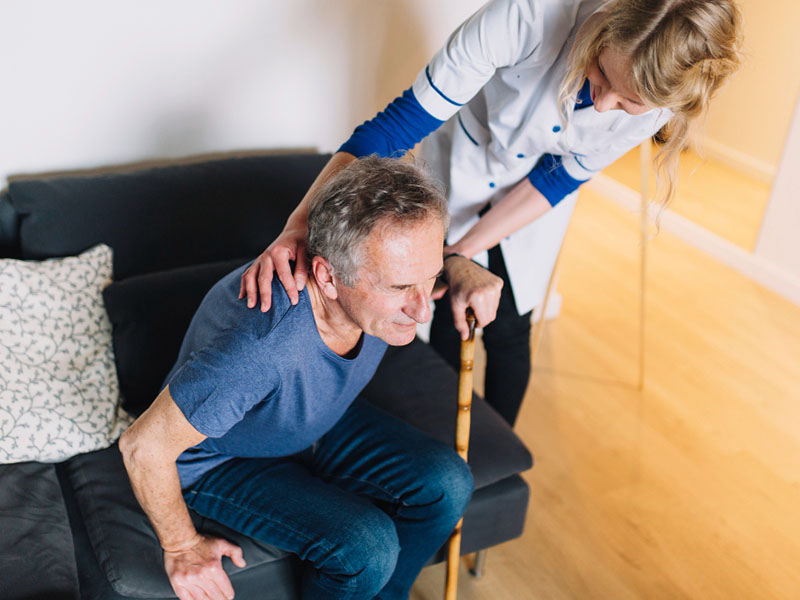
Before focusing on solutions, it helps to understand why falls occur in the first place. Aging brings physical changes such as reduced muscle strength, slower reflexes, and changes in vision. These factors can make it harder to react quickly or maintain balance.
Health conditions also play a role. Issues like arthritis, diabetes, or problems with blood pressure can increase the likelihood of losing balance. Some medications may cause dizziness or drowsiness, which can also contribute to falls. According to the Centers for Disease Control and Prevention, millions of older adults experience falls each year, making it one of the leading causes of injury among seniors.
Environmental factors are just as important. Poor lighting, loose rugs, cluttered walkways, and uneven flooring are common hazards found in many homes. When these risks combine with physical changes, the chances of falling increase significantly.
Simple Tips at Home That Improve Fall Prevention
One of the most effective fall prevention tips is to make the home environment safer. Small adjustments can have a big impact and often require little effort.
Start by clearing pathways. Remove items that could be tripped over, such as loose cords, shoes, or small furniture. Make sure frequently used areas are easy to navigate without obstacles. Lighting is another key factor. Ensure that all rooms, hallways, and staircases are well lit. Adding night lights can make a difference when moving around after dark.
Floors deserve special attention. Secure loose rugs with non slip backing or remove them entirely. Keep floors dry and clean to avoid slipping. In bathrooms, install grab bars near the toilet and inside the shower. Non slip mats can provide extra stability on wet surfaces. The World Health Organization’s Falls Prevention Guidelines recommend targeted environmental modifications in the home as a key strategy to reduce fall risk among older adults.
Furniture arrangement also matters. Chairs and tables should be stable and positioned in a way that allows easy movement. Avoid placing items too high or too low, as reaching or bending can increase the risk of losing balance.
Building Strength and Balance Over Time
Physical activity plays a major role in staying steady. Regular movement helps maintain muscle strength, flexibility, and coordination, all of which are essential for preventing falls.
Exercises that focus on balance and strength are especially helpful. Simple activities like standing on one foot, gentle stretching, or walking regularly can improve stability. Programs such as tai chi have been shown to reduce the risk of falls by improving balance and body awareness. Research published in the Journal of the American Geriatrics Society has found that structured exercise programs can significantly lower fall risk in older adults.
Consistency is more important than intensity. Even light daily movement can make a difference over time. It is always a good idea to consult with a healthcare provider before starting a new exercise routine, especially if there are existing health concerns.
Staying active also supports confidence. Fear of falling can sometimes lead to less movement, which in turn weakens muscles and increases risk. Maintaining a routine helps break that cycle and encourages independence.
Health Habits That Support Fall Prevention Tips
Good overall health plays a strong role in reducing fall risks. Regular checkups can help identify issues that may affect balance or coordination. Vision and hearing tests are especially important, as changes in these senses can make it harder to navigate safely.
Medication management is another key area. Some prescriptions or combinations of medications may cause side effects like dizziness or fatigue. Reviewing medications with a doctor or pharmacist can help reduce these risks.
Hydration and nutrition should not be overlooked. Dehydration can lead to weakness or lightheadedness, while a balanced diet supports muscle strength and bone health. Calcium and vitamin D are particularly important for maintaining strong bones, which can reduce the severity of injuries if a fall does occur.
Sleep also matters. Poor sleep can affect alertness and coordination during the day. Establishing a regular sleep routine can help improve overall stability and focus.
Daily Awareness and Smart Habits
Incorporating fall prevention tips into everyday habits can make safety feel natural rather than restrictive. Simple actions, when practiced consistently, can reduce risk without disrupting daily life.
Take your time when moving from one position to another. Standing up too quickly can cause dizziness. Pause for a moment before walking to allow your body to adjust. Wearing proper footwear is also important. Shoes should fit well, provide support, and have non slip soles. Avoid walking in socks on smooth floors.
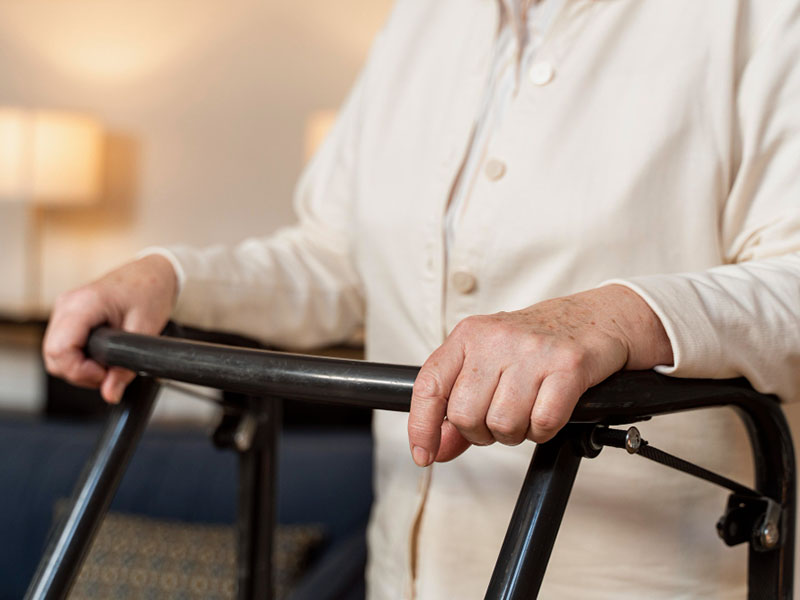
Use assistive devices if needed. Canes or walkers can provide extra stability and confidence. Make sure these devices are properly fitted and in good condition. Keeping frequently used items within easy reach can also prevent unnecessary stretching or climbing.
Staying mindful of surroundings is another important habit. Pay attention to changes in flooring, unexpected obstacles, or wet surfaces. Being aware of these details can help prevent accidents before they happen.
Creating a Safer Fall Prevention Tips
Fall prevention tips are not just about avoiding accidents. They are about creating an environment and lifestyle that support independence, confidence, and well being. When safety measures are in place, older adults can continue to enjoy their daily routines with less worry.
Family members and caregivers also play an important role. Open conversations about safety can lead to better planning and support. Making changes together can feel less overwhelming and more empowering.
At the end of the day, staying steady is about being proactive rather than reactive. Small steps taken today can prevent bigger problems in the future. With the right mindset and consistent effort, it is possible to create a safer, more comfortable environment that supports both independence and peace of mind.