
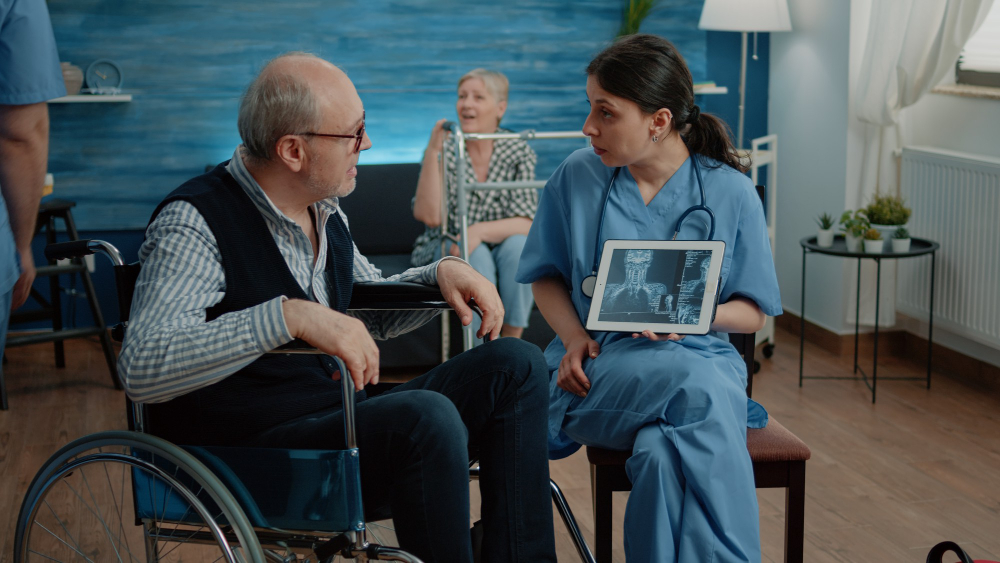
Transitional Care plays a crucial role in helping patients move from hospital to home with confidence, comfort, and the right level of support. For many individuals recovering from illness, injury, or surgery, the period after a hospital stay can feel uncertain and overwhelming. Advanced rehabilitation bridges that gap by offering structured clinical care, personalized therapy, and thoughtful planning that prepares patients to safely resume daily life at home.
The journey home is not just about leaving a medical facility. It is about regaining strength, rebuilding independence, and feeling secure enough to manage health needs outside a clinical setting. When done well, this type of care creates continuity between acute treatment and long term wellness, reducing stress for patients and families alike while lowering the risk of setbacks or readmission.
Topics Covered
- Understanding the Purpose of Transitional Care in Recovery
- How Advanced Rehabilitation Supports a Safe Return Home
- The Role of Transitional Care Teams in Coordinated Healing
- Reducing Readmissions Through Thoughtful Planning
- Why Transitional Care Creates Confidence for Patients and Families
Understanding the Purpose of Transitional Care in Recovery
At its core, Transitional Care focuses on continuity and coordination. After a hospital stay, patients often still require medical oversight, therapy, and education to manage their condition. Advanced rehabilitation settings are designed to meet these needs in a supportive environment that feels less clinical than a hospital but still offers skilled care.
Patients may arrive needing help with mobility, medication management, wound care, or chronic condition monitoring. Instead of being sent home too soon, they receive targeted rehabilitation services that help them progress at a safe and realistic pace. Physical, occupational, and speech therapies work together with nursing and physician oversight to address the whole person rather than a single diagnosis.
This phase of recovery also allows clinicians to identify potential challenges a patient might face at home. By observing how someone moves, performs daily activities, and responds to treatment, care teams can make informed adjustments to therapy plans and home recommendations. The result is a smoother transition that prioritizes safety and confidence rather than speed alone.
How Advanced Rehabilitation Supports a Safe Return Home
Advanced rehabilitation care goes beyond basic recovery exercises. It uses evidence based therapies, modern equipment, and interdisciplinary expertise to help patients regain function and independence. Each care plan is customized, recognizing that no two recovery journeys are the same.
Therapists focus on real life tasks such as walking on uneven surfaces, navigating stairs, preparing meals, and managing personal care. These activities mirror what patients will need to do once they return home, making the transition feel more familiar and less intimidating. Nursing staff provide ongoing medical monitoring to ensure pain is controlled, medications are effective, and any complications are addressed early.
Education is another essential element. Patients and caregivers learn how to manage symptoms, recognize warning signs, and follow care instructions confidently. This knowledge empowers individuals to take an active role in their recovery rather than feeling dependent or uncertain once they leave the rehabilitation setting.
The Role of Transitional Care Teams in Coordinated Healing
One of the greatest strengths of Transitional Care is the collaborative approach behind it. Care teams include physicians, nurses, therapists, social workers, and case managers who communicate regularly and align goals. This coordination ensures that every aspect of a patient’s recovery is addressed without gaps or conflicting instructions.
Case managers play a key role in planning the return home. They assess the home environment, arrange follow up appointments, and coordinate home health services or outpatient therapy when needed. Social workers may assist with emotional support, community resources, or caregiver planning, recognizing that recovery is influenced by more than physical health alone.
This team based model reduces the likelihood of confusion or missed information during the transition. Patients leave with a clear plan, realistic expectations, and access to ongoing support. Knowing who to contact and what steps to take helps reduce anxiety and builds trust in the recovery process.
Reducing Readmissions Through Thoughtful Planning
Hospital readmissions are often linked to gaps in care after discharge. Transitional Care addresses this challenge by ensuring patients are truly ready to go home, both physically and medically. Advanced rehabilitation allows clinicians to monitor progress closely and intervene early if issues arise.
By stabilizing conditions, optimizing medications, and reinforcing self management skills, rehabilitation teams help prevent common causes of readmission such as falls, infections, or unmanaged symptoms. Patients who feel stronger and more prepared are less likely to return to the hospital unexpectedly.
Follow up planning is equally important. Clear communication with primary care providers and specialists ensures continuity once the patient leaves the rehabilitation setting. When everyone involved understands the care plan, the transition home becomes a continuation of healing rather than an abrupt change.
Why Transitional Care Creates Confidence for Patients and Families
Returning home after a hospital stay can be emotionally challenging. Patients may worry about being alone, managing pain, or keeping up with daily tasks. Families often share these concerns, unsure how much support their loved one will need. Transitional Care helps ease these fears by building confidence step by step.
Through advanced rehabilitation, patients see tangible progress in their abilities. Each milestone reached reinforces a sense of independence and control. Families are included in education and planning, giving them clarity about how to help without feeling overwhelmed.
The ultimate goal is not just discharge, but a successful return to everyday life. When patients leave feeling prepared rather than rushed, the transition home feels like a natural next step in recovery. Advanced rehabilitation makes that possible by combining clinical excellence with compassion, ensuring that healing continues well beyond the hospital walls.
In the end, this approach transforms recovery into a guided journey. With the right support, patients can return home safely, comfortably, and with the confidence that they are truly ready for the next chapter of healing.