
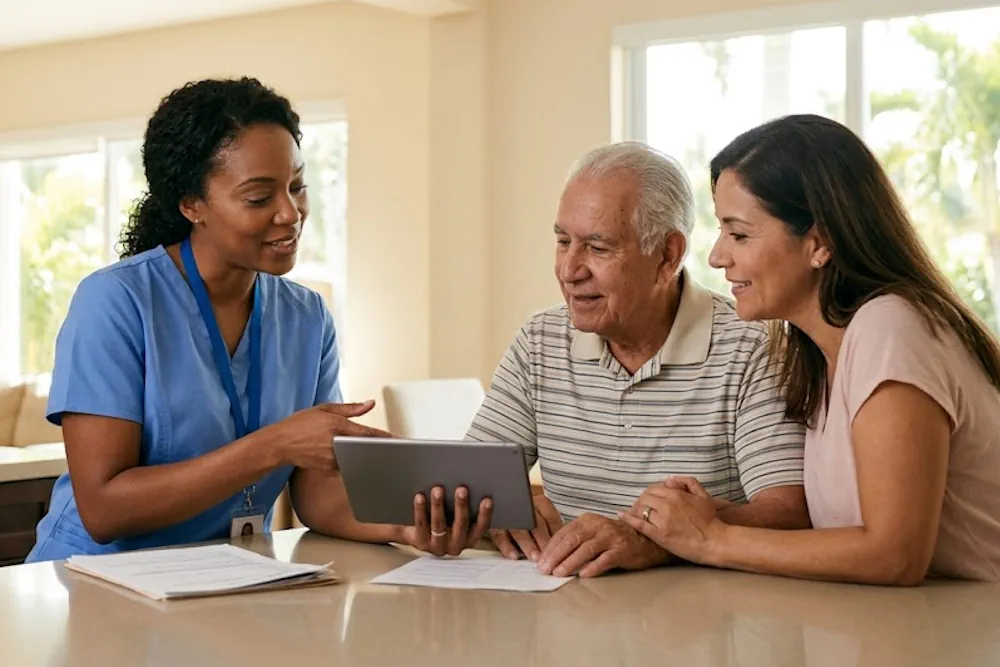
Navigating the complex world of healthcare transitions often leads families to consider the benefits of nurse case management in Miami when a loved one requires more than just basic help at home. While the instinct to provide care personally is a natural expression of love, the technical demands of modern medicine often exceed the capabilities of even the most dedicated family members. This comparison explores the fundamental distinctions between professional clinical oversight and the traditional role of a family caregiver. By understanding these roles, families can make informed choices that prioritize both the health of the patient and the emotional stability of the household.
Family caregiving is built on a foundation of emotional history and personal commitment. It involves day to day tasks that ensure a patient feels comfortable, safe, and loved. This might include preparing favorite meals, helping with light housekeeping, or simply being present to share a conversation. These activities of daily living are the heartbeat of home care, providing a sense of continuity that clinical environments often lack. However, the emotional bond that makes family caregiving so special can also be its greatest challenge, as the lines between being a relative and being a care provider become blurred over time.
Topics Covered:
- The Role of Nurse Case Management in Miami for Complex Patients
- Evaluating the Differences in Clinical Training and Objective Care
- The Psychological Impact of Professional Nurse Case Management in Miami
- Integrating Family Caregiving into a Comprehensive Medical Plan
- Financial Realities and Long Term Sustainability of Home Care
The Role of Nurse Case Management in Miami for Complex Patients
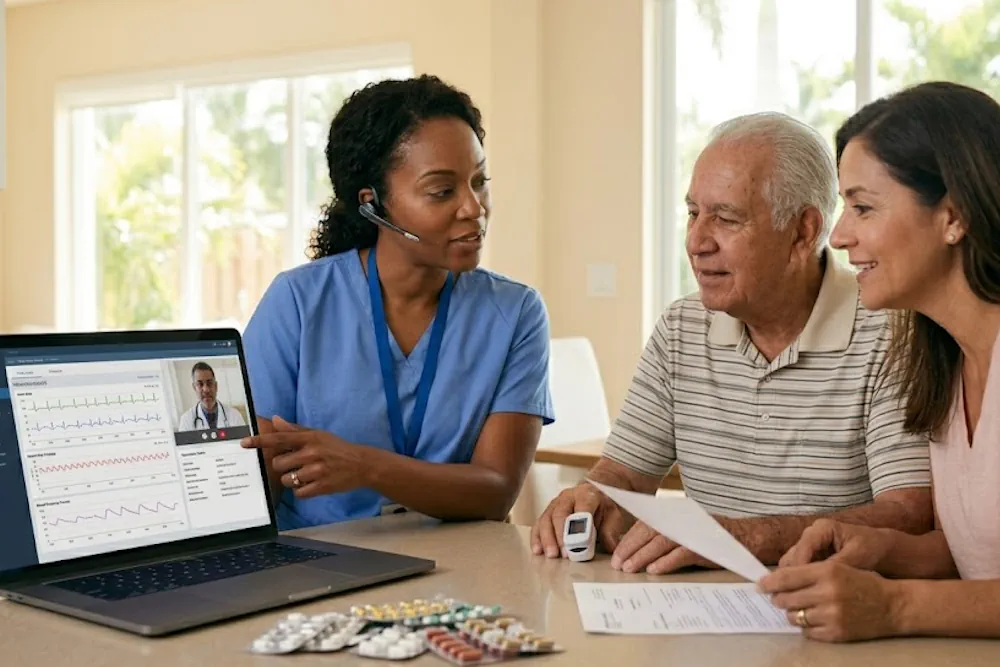
Professional oversight brings a level of clinical rigor that is essential for patients with chronic conditions or those recovering from major surgery. A professional acting in this capacity serves as a medical advocate who understands the nuances of hospital discharge papers, medication interactions, and physical therapy requirements. Their primary goal is to ensure that the medical plan created by doctors is implemented flawlessly at home. This involves constant communication with various specialists to ensure that every part of the treatment team is on the same page regarding the patient’s progress or setbacks.
In a healthcare environment as diverse and fast paced as ours, having a professional dedicated to nurse case management in Miami provides families with a significant advantage in resource allocation. These experts know how to navigate insurance hurdles and identify community resources that might otherwise go unnoticed. They act as the central point of contact, reducing the administrative burden on the family. Instead of the daughter or son spending hours on the phone with insurance companies or pharmacies, the professional handles these logistics, allowing the family to focus on the emotional needs of their loved one.
The clinical expertise of a nurse is also vital for early intervention. While a family member might notice that a loved one seems a bit more tired than usual, a trained nurse can identify the physiological signs of infection or medication toxicity before it becomes a crisis. This proactive approach is the cornerstone of reducing hospital readmissions. By catching small issues before they escalate, professional management keeps the patient safe at home and prevents the trauma of repeated emergency room visits. It is this layer of safety that often provides the greatest peace of mind for families who feel out of their depth with medical technicalities.
Evaluating the Differences in Clinical Training and Objective Care
Objectivity is perhaps the most significant difference between a professional and a family member. When a relative provides care, their decisions are naturally filtered through their emotions. They may hesitate to encourage a patient to walk after surgery because they do not want to see their loved one in pain. A professional, however, understands that early mobilization is critical to preventing blood clots and pneumonia. They can maintain the professional distance required to ensure that the patient adheres to the necessary recovery protocols, even when those protocols are difficult or uncomfortable.
Training also plays a role in the physical safety of both the patient and the caregiver. Many family members suffer from back injuries or exhaustion because they have not been trained in proper lifting techniques or the use of medical equipment. Professional nurses bring years of training in body mechanics and patient safety. They can assess the home for fall risks and suggest modifications that make the environment safer for everyone. This specialized knowledge prevents the secondary accidents that often happen when untrained individuals try to manage heavy medical equipment or difficult transfers between a bed and a wheelchair.
The Psychological Impact of Professional Nurse Case Management in Miami
One of the most profound benefits of bringing in an expert is the preservation of family relationships. When a family member becomes the sole provider of medical care, the original dynamic of the relationship often shifts in a negative direction. A spouse might start to feel more like a patient than a partner, and the caregiver may begin to feel more like an employee than a loved one. This shift can lead to feelings of resentment and isolation on both sides. By delegating the clinical tasks to a professional, the family can reclaim their original roles, focusing on being a source of companionship and emotional strength.
Caregiver burnout is a very real and dangerous phenomenon that affects millions of households every year. It happens when the physical and emotional demands of caregiving exceed the individual’s ability to cope. Symptoms include extreme fatigue, irritability, and a decline in the caregiver’s own physical health. Professional management serves as a buffer against this burnout. By taking over the high stress tasks of medical coordination and decision making, the professional allows the family to take breaks and attend to their own lives. This sustainability is crucial for long term care situations that may last for years.
Furthermore, the presence of a professional provides a level of validation for the family. Decisions about end of life care or major surgical interventions are incredibly heavy. Having a nurse to explain the pros and cons and provide a clinical perspective helps the family feel more confident in the choices they make. It removes the weight of wondering if they did the right thing, as they have a medical expert guiding them through the most difficult moments. This psychological support is just as important as the physical care provided to the patient.
Integrating Family Caregiving into a Comprehensive Medical Plan
The most successful outcomes usually involve a partnership between the family and the professional. The family knows the patient’s history, preferences, and personality better than anyone else. This information is invaluable to a nurse case manager who is trying to tailor a care plan to a specific individual. For example, if a patient is more likely to take their medication if it is offered with a specific type of food, the family can share that insight. This collaborative approach ensures that the care plan is not only medically sound but also culturally and personally appropriate.
Education is another key component of this partnership. A professional nurse can teach family members how to provide basic care more effectively and safely. They can provide instructions on how to recognize the early signs of common complications related to the patient’s specific diagnosis. This empowers the family, turning them from overwhelmed observers into informed participants in the care team. When the family feels competent in their role, the entire atmosphere of the home becomes more positive and focused on recovery rather than just survival.
This integration also helps in managing the transitions between different levels of care. Whether the patient is moving from a hospital to home or from home to a rehabilitation facility, the transition is a high risk period. The professional manager ensures that the transfer of information is complete and that the patient has everything they need at each step. The family provides the continuity of presence that helps the patient feel secure during these changes. Together, they create a seamless experience that protects the patient from the gaps in care that often occur in the modern medical system.
Financial Realities and Long Term Sustainability of Home Care
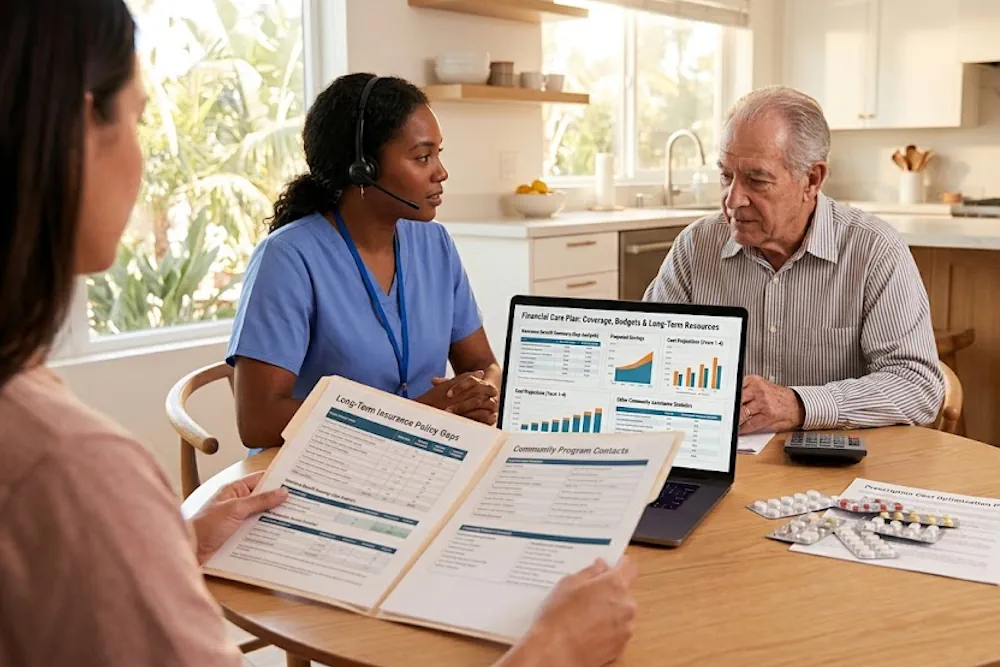
Addressing the financial aspect is a necessity for any long term care plan. Many families initially choose family caregiving because they believe it is the most cost effective option. While there is no direct salary paid to a family member, the indirect costs can be staggering. Many caregivers have to reduce their working hours or quit their jobs entirely, leading to a significant loss of household income and future retirement benefits. Additionally, without professional guidance, families may spend money on medical supplies or services that are not necessary or that could have been covered by insurance.
Professional management helps to optimize the financial resources available to the patient. By ensuring that the care is efficient and that complications are avoided, the overall cost of the illness is often reduced. A professional can also assist in navigating the complexities of long term care insurance and government programs, ensuring that the patient receives every benefit they are entitled to. This strategic financial oversight is an essential part of maintaining a stable home environment over many months or years of recovery.
In the final analysis, the choice between these two paths is not an all or nothing decision. Most families find that a hybrid model provides the highest quality of life. By utilizing professional expertise for clinical and administrative tasks, the family is freed to provide the love and emotional connection that is the true medicine of the home. This balance ensures that the patient’s physical needs are met with excellence while their spirit is nourished by the people who know and love them best. Choosing to bring in professional support is not a sign of failure but a strategic decision to provide the best possible environment for a loved one’s recovery and dignity.