
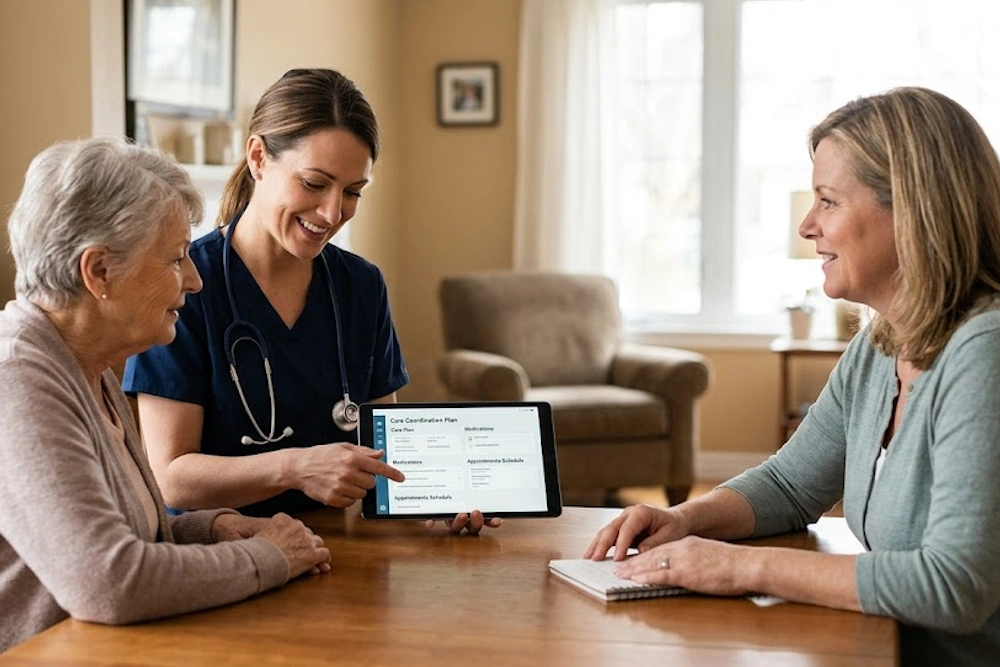
Care management plays a major role in helping families create safer and more organized home care plans for loved ones who need ongoing support. Whether someone is recovering after surgery, living with a chronic illness, or simply facing the challenges that come with aging, having a professional guide the process can make daily life much easier. Nurse case management connects medical care, family communication, and long term planning into one coordinated system that supports both patients and caregivers.
Many families step into home care without realizing how complicated it can become. Doctor appointments, medications, therapy schedules, insurance paperwork, and changing health conditions often pile up quickly. A nurse case manager helps simplify these responsibilities while making sure the patient receives the right care at the right time.
Topics Covered:
- How Nurse Case Managers Improve Home Care Planning
- The Role of Care Management in Reducing Stress for Families
- Better Coordination Leads to Better Patient Outcomes
- Why Personalized Support Matters in Long Term Care
- The Lasting Value of Professional Home Care Guidance
How Nurse Case Managers Improve Home Care Planning
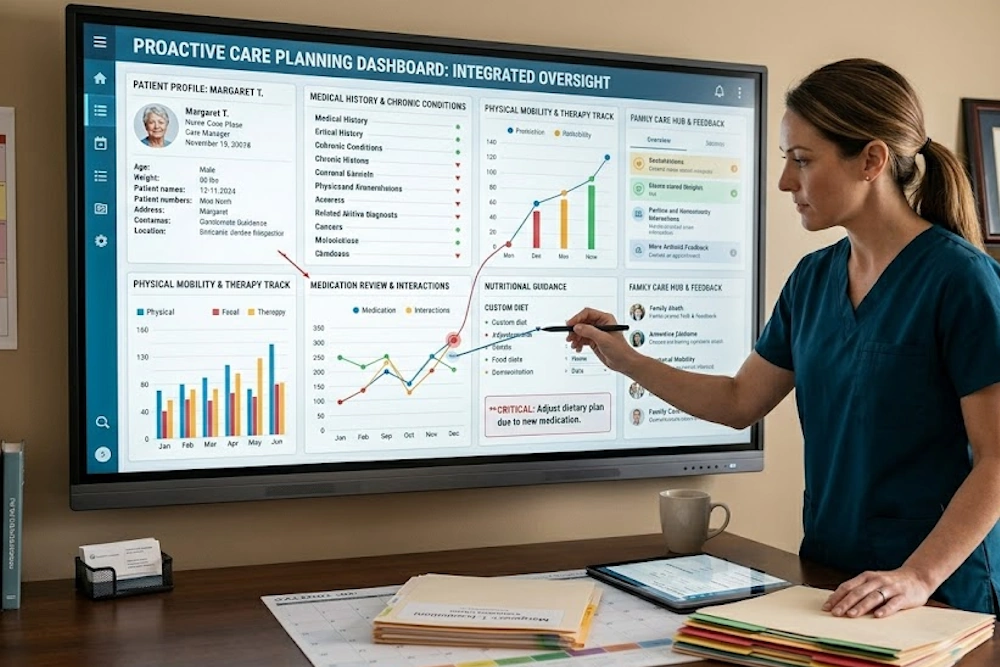
One of the biggest advantages of nurse case management is having someone oversee the bigger picture of a patient’s health. Instead of reacting to problems only after they happen, case managers work proactively to reduce risks and prevent avoidable complications.
They evaluate the patient’s medical history, physical condition, home environment, and support system before developing a plan that fits the individual’s needs. This approach helps families feel less overwhelmed because they no longer have to coordinate every detail on their own.
Home care planning is rarely the same for two people. An older adult recovering from a fall may need physical therapy and mobility support, while someone with diabetes may require medication monitoring and nutritional guidance. Nurse case managers help customize care so patients receive support that actually matches their situation.
This type of guidance also improves communication between healthcare providers. Primary doctors, specialists, therapists, and home caregivers may all have different recommendations. Without proper coordination, important information can easily be missed. Nurse case managers help keep everyone aligned and informed.
The Role of Care Management in Reducing Stress for Families
Family caregivers often take on a tremendous amount of responsibility. Many juggle full time jobs, parenting, and household duties while also trying to care for an aging parent or sick relative. Over time, this pressure can lead to burnout, emotional exhaustion, and confusion about medical decisions.
Care management helps reduce that burden by giving families professional support throughout the process. Instead of constantly searching for answers online or making difficult decisions alone, families have someone they can rely on for guidance and advocacy.
Nurse case managers also help families understand complicated medical instructions. Healthcare information can sometimes feel overwhelming, especially after hospital discharges or serious diagnoses. A case manager can explain treatment plans in a way that feels more manageable and practical for daily life.
Another important benefit is emotional reassurance. Families often worry whether they are making the right decisions for their loved ones. Having an experienced healthcare professional involved creates greater confidence and peace of mind.
In many situations, nurse case managers can also identify early warning signs before they become emergencies. Changes in mobility, appetite, mental health, or medication reactions can often be caught early with proper monitoring. This can help reduce unnecessary hospital visits and improve overall quality of life.
Better Coordination Leads to Better Patient Outcomes
One of the main goals of nurse case management is improving patient outcomes through consistent oversight and communication. When healthcare services are uncoordinated, patients are more likely to experience medication errors, delayed treatment, and repeated hospitalizations.
A nurse case manager acts as a bridge between patients, families, and healthcare providers. They make sure instructions are followed correctly and that no important detail falls through the cracks.
Patients receiving home care often have multiple prescriptions from different doctors. Managing medications properly can become difficult, especially for seniors or individuals with memory challenges. Nurse case managers help review medications, identify possible issues, and encourage safer routines.
Consistency also plays a major role in recovery and long term wellness. Patients tend to do better when they follow structured care plans with regular follow ups. A case manager helps maintain that consistency by tracking progress and adjusting plans when necessary.
Another major advantage involves transitions between healthcare settings. Moving from a hospital back into the home environment can be stressful and confusing. Without proper support, patients may misunderstand discharge instructions or fail to schedule important follow up appointments. Nurse case managers help create smoother transitions that support recovery and independence.
Why Personalized Support Matters in Long Term Care
Long term home care involves more than medical treatment alone. Emotional wellbeing, social support, safety, and independence all play important roles in a person’s quality of life. Nurse case management focuses on the whole individual rather than only the illness itself.
This personalized approach helps patients maintain dignity while receiving care in a familiar environment. Many people feel more comfortable recovering or aging at home instead of in institutional settings. Nurse case managers help make that possible by identifying practical solutions that support daily living.
For example, they may recommend home safety improvements, connect families with community resources, or help arrange transportation for appointments. Small adjustments often make a significant difference in helping patients remain independent for longer periods.
Personalized support also helps patients feel heard. Many individuals dealing with chronic conditions become frustrated when they feel like just another medical chart. Nurse case managers spend time understanding personal goals, concerns, and preferences so care plans feel more meaningful and realistic.
Family relationships may also improve when responsibilities become more organized. Clear communication and defined care plans can reduce misunderstandings between relatives who are trying to help. Instead of constant stress and uncertainty, families can focus more on spending quality time together.
The Lasting Value of Professional Home Care Guidance
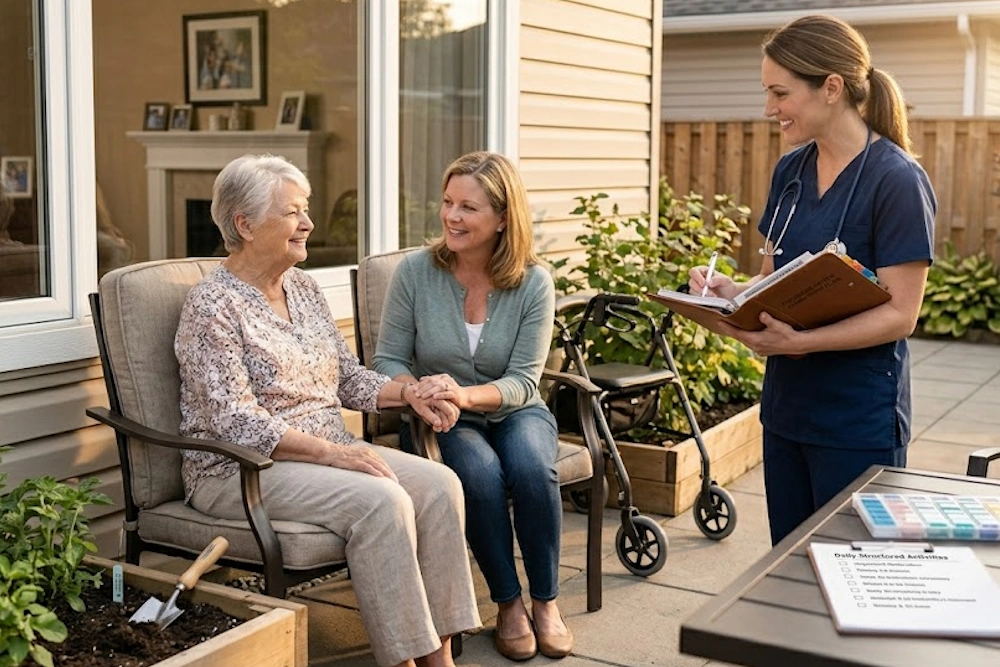
As healthcare needs become more complex, many families are realizing the importance of professional guidance during home care planning. Nurse case management offers structure, organization, and advocacy that can make a major difference in both short term recovery and long term wellbeing.
Care management is not only about handling medical tasks. It is about creating a support system that helps patients live more safely and comfortably while easing the pressure on family caregivers. From coordinating treatments to monitoring progress and offering emotional reassurance, nurse case managers provide valuable support every step of the way.
For families facing difficult healthcare decisions, having an experienced professional involved can bring clarity during uncertain times. It allows caregivers to feel less isolated while helping patients receive more personalized attention.
Home care works best when communication, planning, and support come together in a thoughtful way. Nurse case management helps connect those pieces while keeping the patient’s needs at the center of every decision.