
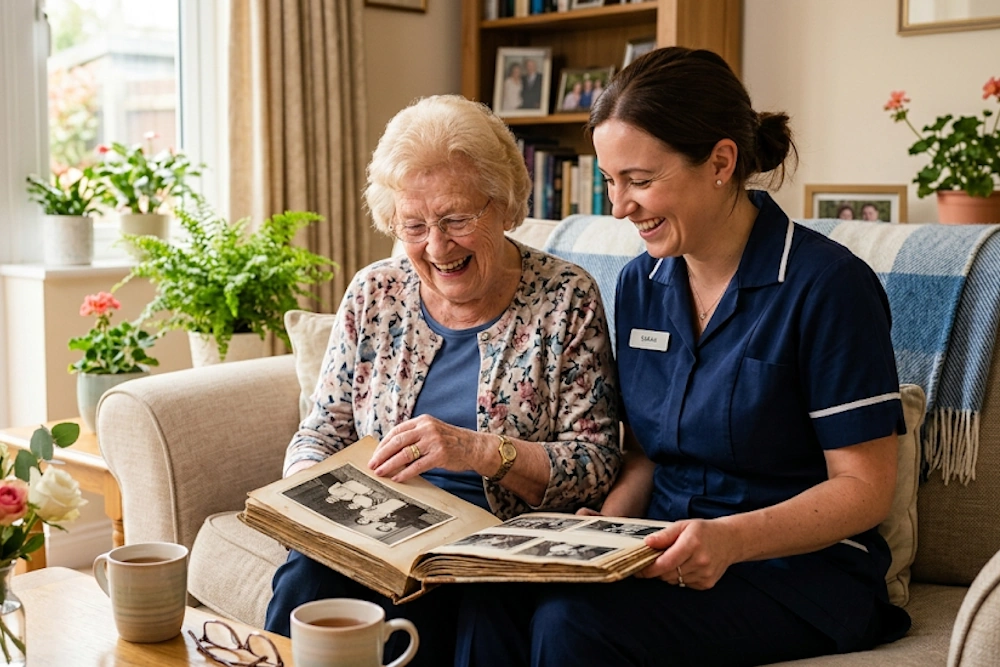
There is a quiet crisis happening in a lot of homes right now, and companion care is one of the most effective and overlooked answers to it. Seniors across the country are living longer but spending more of those years alone, and that isolation does not just hurt emotionally. It takes a real toll on the body and the mind. The good news is that the right kind of support can change that picture entirely, without taking away the independence that most older adults fiercely want to hold onto.
Topics Covered:
- What Companion Care Actually Looks Like Day to Day
- How Staying Social Protects the Aging Brain
- Companion Care and the Independence Question
- When Families Need a Break Too
- Signs It Might Be Time to Look Into Companion Care

What Companion Care Actually Looks Like Day to Day
A lot of families hear the term and picture something more clinical than it really is. Companion care is not skilled nursing. It is not medical. It is a trained caregiver who shows up consistently, builds a genuine relationship with your loved one, and helps with the kinds of things that make daily life feel manageable and meaningful.
That might look like joining them for a morning walk, helping with light errands, playing cards, talking over lunch, or just being a steady and familiar presence in the house. For seniors who live alone, that kind of regular human contact is not a luxury. Research from the National Institute on Aging shows that social isolation and loneliness among older adults are linked to increased risks of depression, cognitive decline, and a range of physical health problems. Companion care addresses that gap directly and personally.
How Staying Social Protects the Aging Brain
One of the things families do not always connect is how much consistent social engagement protects cognitive health over time. It is not just about mood. The connection between regular social interaction and slower cognitive decline in older adults has been well documented, and companion care delivers that kind of interaction on a dependable schedule.
When a senior has someone to talk to, someone who remembers their stories and asks follow up questions, someone who challenges them to a game or takes them out to a familiar place, the brain stays engaged. That engagement matters more than most people realize. It is one of the reasons families who invest in companion care early often report that their loved one seems sharper, more motivated, and more like themselves compared to periods when they were more isolated.
For families managing a parent with early memory concerns, this is also worth understanding alongside broader dementia care at home strategies because the social component of care is just as important as the physical one.
Companion Care and the Independence Question
Here is what surprises most families. People assume that bringing in outside help means giving up independence. The reality is almost the opposite. Seniors who have consistent companionship and support tend to stay in their own homes longer. They are more likely to stay on top of appointments, medications, meals, and daily routines because they have someone helping them stay organized and accountable without taking over.
A companion is not there to do everything for them. They are there to do things with them, at their pace, on their terms. That distinction matters enormously to older adults who worry about losing control of their own lives. Understanding what senior home care really involves and how it differs from more intensive care options can help families have that conversation more honestly.
It also matters for safety. A caregiver who is present and paying attention catches things families miss, a change in appetite, a new hesitancy on the stairs, increased confusion in the late afternoon. Catching those things early makes a real difference in outcomes.
When Families Need a Break Too
Companion care does not only benefit the senior. It is also a form of relief for family members who are doing the bulk of the caregiving and starting to feel the weight of it. Caregiver burnout is real and it builds slowly until it is not manageable anymore. Having a trusted companion come in regularly gives family caregivers time to rest, handle their own responsibilities, and show up for their loved one from a better place.
This is also where companion care connects naturally with respite care, which provides more structured breaks for family caregivers. The two often work well together depending on the level of support a family needs.

Signs It Might Be Time to Look Into Companion Care
Not every family waits for a crisis to make this call, but a lot do. Here are some things worth paying attention to. If your loved one has stopped doing things they used to enjoy, if they seem more anxious or withdrawn than usual, if they are skipping meals, missing appointments, or struggling to keep up with the house, those are signs that some consistent support could make a real difference.
The earlier families start exploring home care options and how to talk about them, the easier that conversation tends to go. It is a much gentler transition when it happens before things have deteriorated than when a family is scrambling after something has gone wrong.
Companion care is not about stepping in and taking over. It is about making sure the people we love have enough support to keep living the way they want to live, in their own space, on their own terms, with someone genuinely invested in how they are doing.