
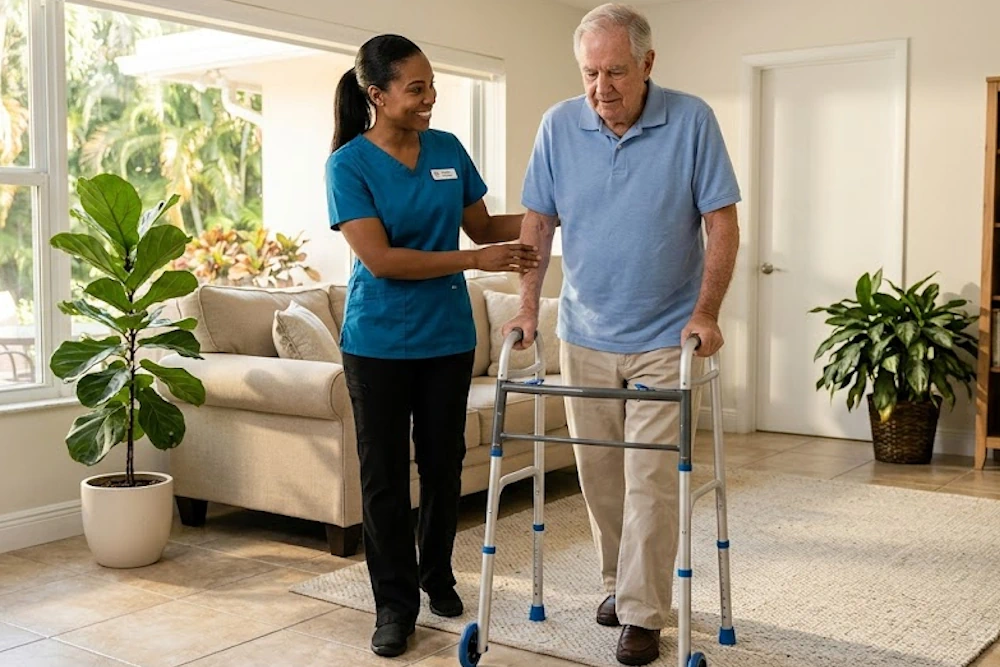
Senior hygiene care services are one of those things families don’t think much about until they realize a parent or grandparent is struggling with tasks that used to be effortless. Bathing, getting dressed, brushing teeth, washing hair. These are private, personal routines, and when someone starts having a hard time keeping up with them, it can feel awkward to even bring up. But hygiene support is one of the most common and most important things a home caregiver provides, and understanding what it actually looks like can take a lot of the worry out of the conversation.
Topics Covered:
- Why the First Two Weeks After Surgery Are So Critical
- What Surgical Recovery Care at Home Actually Looks Like
- How Miami Families Can Plan Ahead Before Surgery Day
- The Emotional Side of Recovery Families Often Underestimate
- Finding Trusted Surgical Recovery Care in Miami
Why Hygiene Becomes Harder With Age
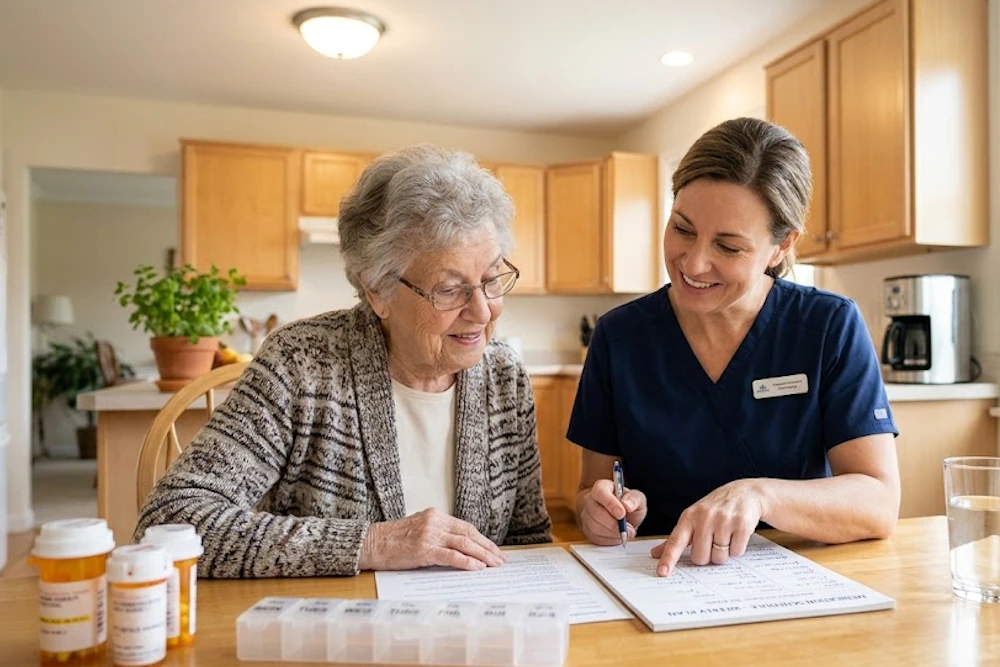
It is easy to assume that hygiene struggles come down to laziness or stubbornness, but that is rarely the case. Arthritis can make it painful to reach a shower handle or button a shirt. Balance issues make standing in a shower or stepping over a tub edge genuinely scary. Memory changes can cause someone to forget whether they already bathed that day. Vision loss can make it hard to notice when clothes are stained or grooming has slipped.
According to Assisting Hands Home Care, aging weakens the immune system, which makes seniors more vulnerable to infections and skin conditions when hygiene routines fall behind. So when a family notices a loved one isn’t bathing as often, or is wearing the same clothes for days, it usually is not a behavioral issue. It is a sign that something has become physically or cognitively difficult, and that is exactly where the right support can step in.
The Bathroom Safety Risk Most Families Don’t Realize
Here is a statistic that surprises a lot of people. The CDC reports that more than one in four older adults falls each year, and a huge share of those falls happen in the bathroom, where wet floors, tub edges, and tight spaces create a perfect storm of hazards. This is one of the biggest reasons hygiene assistance matters so much. It is not just about cleanliness, it is about having a second set of hands and eyes in one of the riskiest rooms in the house.
A trained caregiver knows how to support a senior safely getting in and out of a shower or tub, how to set up the bathroom beforehand so everything needed is within reach, and how to step in at the right moments without taking over the whole experience. As JEVS Human Services points out, simple changes like keeping floors dry and using grab bars can dramatically cut down on the chance of a fall.
What Personal Hygiene Assistance Actually Includes
In a home care setting, hygiene assistance is rarely an all-or-nothing situation. Most seniors do not need someone to do everything for them. They need help with the specific parts that have become difficult. That might mean a caregiver helping with bathing or showering, including getting in and out safely. It could include help with hair washing, brushing, and styling, oral care like brushing teeth or cleaning dentures, dressing and choosing appropriate clothing, nail care, shaving, and skincare, and toileting assistance when needed.
What matters most is how this support is delivered. A good caregiver approaches these tasks with patience and respect, giving the senior as much independence as possible while quietly stepping in for the parts that have become unsafe or unmanageable. Many of our caregivers also provide light housekeeping support so the bathroom and living spaces stay clean and hazard free between visits.
Why Dignity Matters More Than Most People Realize
For a lot of seniors, needing help with something this personal feels like a loss of independence, and that emotional piece is just as important as the physical task itself. According to Family First Home Companions, when seniors feel clean and well cared for, it has a direct impact on their sense of dignity and self worth, while the opposite can lead to withdrawal and lower mood.
This is why the approach matters so much. The goal of senior hygiene care services isn’t to take control away from someone, it is to give them back the ability to feel like themselves. A caregiver who builds trust, communicates clearly, and respects privacy can turn what feels like an uncomfortable necessity into something that feels supportive and normal. Over time, families often notice their loved one seems more like themselves again, simply because they feel cared for in a way that preserves their sense of self.
Getting Started With Senior Hygiene Care Services
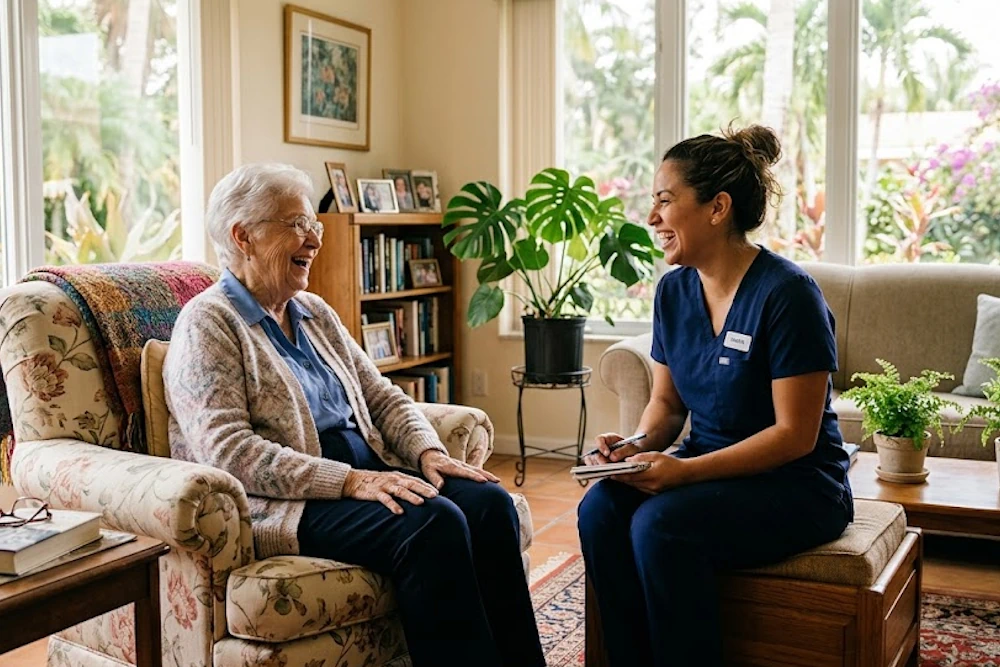
If you are noticing that a parent or loved one has started skipping showers, wearing the same clothes repeatedly, or seems to be struggling in the bathroom, it might be time to have a gentle conversation about extra support. At Premier Homecare Services, our caregivers are trained to provide hygiene assistance in a way that feels natural, respectful, and centered on the person’s comfort, not just the task at hand.
This kind of support often works best as part of a broader care plan that includes medication reminders, meal preparation, and companionship, so your loved one has consistent support across the parts of daily life that have become harder to manage alone. You can read more about our full range of homecare services or reach out to our team to talk through what kind of support might be the right fit for your family.