
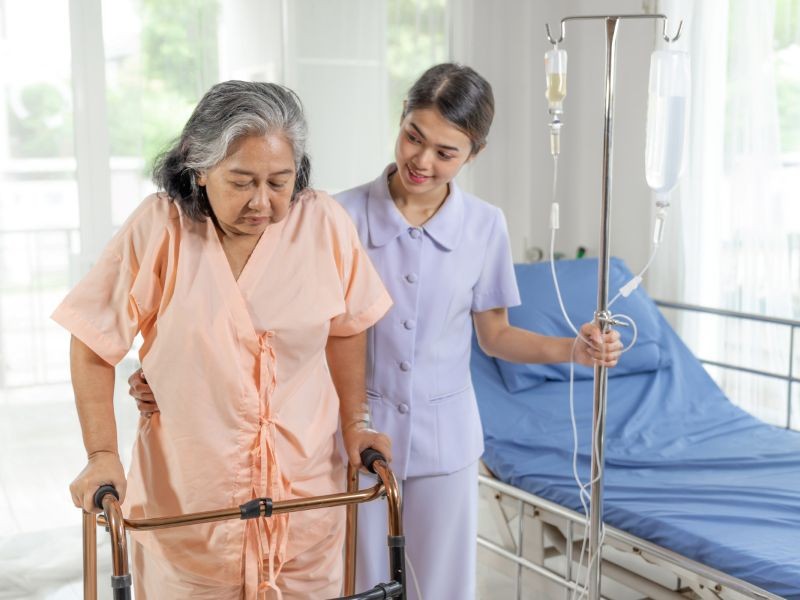
Leaving the hospital often feels like the finish line, but for many seniors, the days right after discharge are among the riskiest periods of the entire recovery. A missed follow-up appointment, a mixed-up medication schedule, or a fall during those first shaky days at home can send someone right back to the emergency room. National data consistently show that roughly one in five older adults discharged from the hospital is readmitted within a month, which is exactly the kind of statistic this type of support is designed to change. Readmission prevention support exists to close that gap, focusing specifically on the handful of details that most often determine whether a recovery sticks or unravels. It is a narrower, more targeted kind of support than general recovery care, built around one clear goal: keeping a senior from returning to the hospital.
Topics Covered
What readmission prevention support actually focuses on
Why the first two weeks home carry the highest risk
How readmission prevention support catches warning signs early
Coordinating with doctors instead of guessing at instructions
Building readmission prevention support into family routines

What Readmission Prevention Support Actually Focuses On
Readmission prevention support is narrower and more targeted than general post-hospital care, a distinction reflected in the broader research summarized in this hospital readmission overview by federal health researchers. Rather than covering every aspect of recovery, it zeroes in specifically on the factors known to send seniors back to the hospital, things like medication errors, missed follow-up visits, wound complications, and unmanaged symptoms that worsen quietly at home. A caregiver focused on this goal tracks these specific risk points closely, rather than treating every task with equal weight, which is part of why reviewing our overview of nurse case management can help families understand how this kind of tracking fits into a bigger care picture.
Why the First Two Weeks Home Carry the Highest Risk
Research consistently shows that the period immediately following discharge carries the highest risk of complications, often within the first two weeks, a finding that shaped the development of the widely used discharge planning toolkit built by federal researchers to standardize this process. This is when new medications are still being adjusted, wounds are still healing, and a senior’s body is still adapting to whatever changed during their hospital stay. Readmission prevention support concentrates its attention here, since this narrow window is where small problems are most likely to spiral into something serious if they go unnoticed, a pattern our own guide to post hospital recovery covers in more depth.
How Readmission Prevention Support Catches Warning Signs Early
Warning signs of a developing complication are often subtle at first: a slight fever, unusual swelling, confusion that seems a little off, or a wound that looks different than it did the day before. Readmission prevention support means having someone present often enough to notice these changes early, rather than discovering them only at the next scheduled doctor visit, an approach echoed in this discharge planning guide for families navigating the same transition. Catching a problem while it is still minor is often the difference between a quick phone call to the doctor and an unplanned trip back to the emergency room, and this kind of vigilance closely overlaps with the case management support many families rely on as needs grow more complex.
Coordinating With Doctors Instead of Guessing at Instructions
One of the most common reasons seniors are readmitted is a breakdown in communication among the hospital, the family, and outpatient providers. Discharge instructions can be dense, medical, and easy to misread, especially for a family already exhausted from a hospital stay, a challenge addressed directly in this care transition guide aimed at easing that handoff. Readmission prevention support includes making sure discharge instructions are actually understood, follow-up appointments get scheduled and kept, and any questions get relayed to the right provider instead of falling through the cracks, a need that comes up often during the kind of recovery covered in our guide to post-surgical recovery.
Building Readmission Prevention Support Into Family Routines
Families play a real role in reducing readmission risk, even without formal caregiving experience. Keeping a written list of medications and dosages, watching for the specific warning signs a discharge team flagged, and confirming follow-up appointments before leaving the hospital can all make a measurable difference, an effort that lines up closely with the goals behind the national readmission reduction program that hospitals themselves are held to. Readmission prevention support works best when it builds on these efforts rather than replacing them entirely. If the conversation about needing extra support at home hasn’t happened yet, our piece on talking to parents can help make that first discussion easier.
Readmission prevention support is a narrow but powerful piece of the recovery puzzle, focused specifically on the moments most likely to derail progress. It will not replace good medical care, but it fills the gap that so often gets overlooked between hospital discharge and full recovery. For families who have watched a loved one bounce back to the hospital once already, this kind of focused support can make the difference the second time around. And for families going through recovery for the first time, it offers a clear, practical way to reduce the odds of that setback ever happening.

References:
Hospital Readmissions Topic Overview
Re-Engineered Discharge (RED) Toolkit
Hospital Discharge Planning: A Guide for Families and Caregivers