
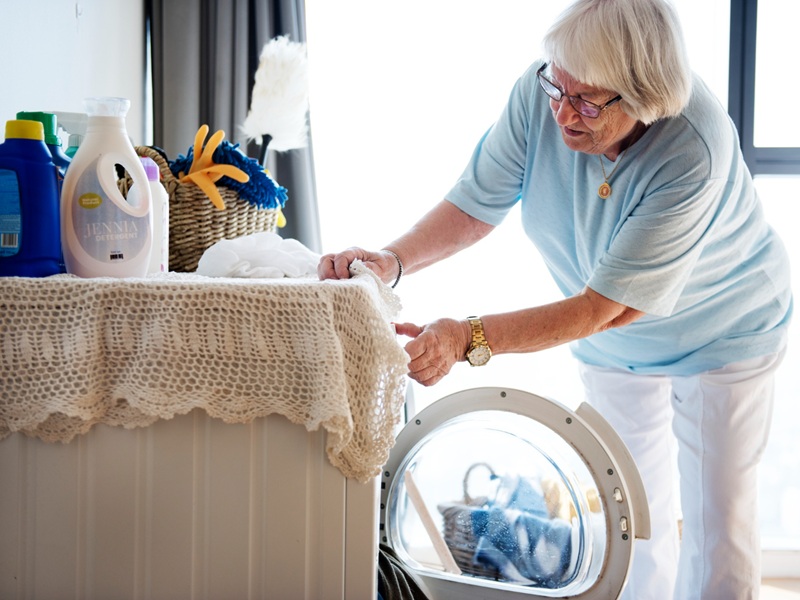
A tidy home does more than look nice. It protects a senior’s health and safety every day. A senior home cleaning schedule breaks chores into small, steady tasks. This keeps messes from piling up and keeps stress low. This guide shares easy routines that families can start today.
Topics Covered
Why a senior home cleaning schedule matters
Daily tasks that keep a home safe
A senior home cleaning schedule for weekly and monthly tasks
Safe cleaning products and habits
How caregivers support a senior home cleaning schedule
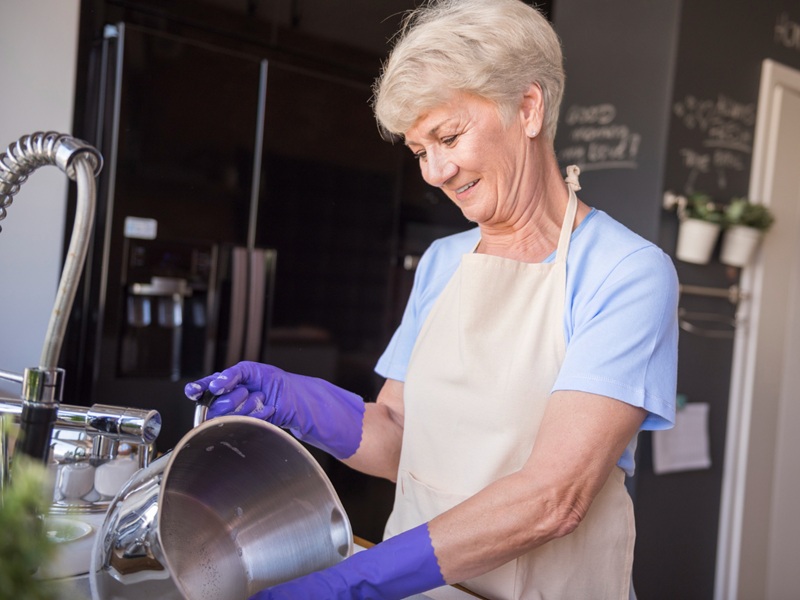
Why a senior home cleaning schedule matters
A clean home protects health. Dust, germs, and clutter can trigger breathing problems and infections. Older adults often feel the effects more strongly. Weak immune systems make germs harder to fight off. A steady routine also stops small messes from growing. Care.com shares ways seniors can simplify house cleaning without strain. In fact, short daily tasks work better than big weekend cleanups. They also feel less tiring. Therefore, aim for ten or fifteen minutes at a time. A timer helps seniors stop before they feel worn out.
Many families notice cleaning slips first. Dishes pile up, laundry sits, and floors turn sticky. Often, that signals a bigger struggle with daily tasks. Learn when senior home care can step in. Meanwhile, avoid blame. Ask your parent which chores feel hardest, and start there. Seniors accept help more easily when they feel heard. Moreover, praise what your parent already does well. That kindness keeps pride intact.
Daily tasks that keep a home safe
Daily tasks should stay short and simple. Start with the kitchen. Wash dishes after each meal and wipe the counters. Next, take out the trash and check the fridge for old food. In the bathroom, wipe the sink and dry wet floors. Then make the bed and open a window for fresh air. The Health in Aging Foundation lists helpful home safety tips for older adults. Finally, wipe high touch spots like light switches and handles. These spots collect germs quickly.
Safety comes first during every chore. Wipe up spills at once. Keep floors dry and walkways clear. Our fall prevention tips explain how to cut trip hazards. Also, put away loose cords, rugs, and shoes. Then, check that lights work in halls and bathrooms. Small fixes today prevent injuries tomorrow. Additionally, keep a stable step stool, or avoid climbing at all. Reaching high shelves causes many falls.
A senior home cleaning schedule for weekly and monthly tasks
Weekly tasks need more energy, so spread them out. For example, do laundry on Monday, bathrooms on Wednesday, and floors on Friday. Change bed sheets once a week. Dust surfaces with a damp cloth, since dry dusting spreads particles. AARP names the germiest spots in the home. See its germy places guide for details. Wipe remotes, phones, and door handles often. Likewise, wash kitchen sponges and dishcloths weekly. They hold more germs than most people expect.
Monthly tasks need extra care. Pick one weekend each month, and keep the list short. Wash curtains, clean the oven, and sort the pantry. Wipe the inside of the fridge and replace air filters. Family helpers can take turns with these jobs. However, doing everything alone causes stress. Learn the caregiver burnout signs if the load starts to feel heavy. Then share chores with siblings or hire help. For instance, one sibling can handle laundry while another tackles the fridge. A shared calendar keeps everyone on track.
Safe cleaning products and habits
Cleaning products can cause harm. Never mix bleach with ammonia or vinegar, because the fumes are dangerous. Keep products in their original bottles with clear labels. Store them away from food and medicine. Health Canada explains household chemical safety in simple steps. Use gentle cleaners, such as mild soap and water, for most jobs. Strong scents can bother seniors with breathing problems. Unscented products are usually the best choice. Open windows while you clean. Also, wear gloves to protect thin skin. Wash your hands when you finish.
Choose lighter tools. A long handled duster, a lightweight vacuum, and a spray mop reduce bending. Take breaks and sit while you wipe the table. Pace matters, because tired seniors make more mistakes. Also, keep supplies within easy reach, so no one climbs on chairs. If shopping for supplies feels hard, try errand assistance services. They save trips and energy. Moreover, many stores deliver cleaning supplies to the door. That option helps seniors who no longer drive.
How caregivers support a senior home cleaning schedule
Caregivers turn a plan into a habit. They handle light housekeeping, such as dusting, laundry, and tidying. They also follow the routine your parent likes. Harbor Chase shares senior cleaning guidelines that caregivers can adapt. Caregivers lift, bend, and reach, so seniors avoid risky movements. They also keep supplies stocked and safe. In addition, they follow safe lifting habits. Therefore, your parent skips the heavy chores.
Companionship makes chores feel lighter. A caregiver can fold laundry while chatting with your parent. Seniors stay involved, and families gain peace of mind. Our overview of companion care benefits shows how this support works. As a result, homes stay fresh and seniors stay independent. Caregivers also notice hazards, such as mold, spoiled food, or pests. Then they report them quickly. Because of that, families fix small problems before they turn costly. Regular visits also give seniors something to look forward to.
A senior home cleaning schedule does not need to be perfect. It needs to be simple, steady, and safe. Start small, share the load, and adjust as needs change. Review the plan every few months, since needs shift with health and energy. A flexible routine keeps your parent safe, comfortable, and proud of their home.

References
Here’s how seniors can simplify house cleaning