
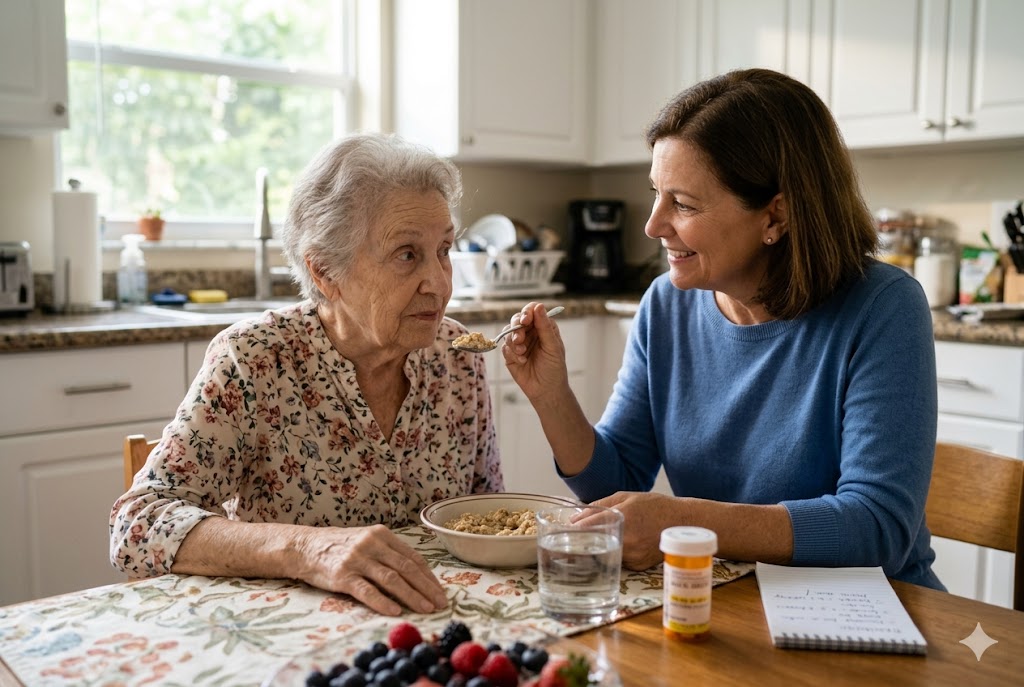
Managing the intricacies of senior nutrition is often one of the most challenging yet rewarding aspects of being a family caregiver. While ensuring a loved one eats enough is a start, the quality and consistency of that nourishment become increasingly vital as the body ages. Many family members find themselves caught in a cycle of worry, wondering if their parents are getting enough vitamins or if their lack of appetite is a sign of something more serious. This guide is designed to help you navigate these transitions and recognize when the daily demands of meal management might require the support of a professional team.
Topics Covered:
- The Foundations of Healthy Senior Nutrition for Longevity
- Identifying Red Flags in Your Loved Ones Eating Habits
- Cognitive and Physical Barriers to Senior Nutrition Success
- When Caregiving Exhaustion Impacts the Kitchen
- The Benefits of Professional Senior Nutrition Integration
The Foundations of Healthy Senior Nutrition for Longevity
Managing the intricacies of senior nutrition is often one of the most challenging yet rewarding aspects of being a family caregiver. While ensuring a loved one eats enough is a start, the quality and consistency of that nourishment become increasingly vital as the body ages. Many family members find themselves caught in a cycle of worry, wondering if their parents are getting enough vitamins or if their lack of appetite is a sign of something more serious. This guide is designed to help you navigate these transitions and recognize when the daily demands of meal management might require the support of a professional team.
Identifying Red Flags in Your Loved Ones Eating Habits
It is often the subtle changes that signal a need for more structured help. You might notice that the refrigerator is filled with expired items, or perhaps your loved one is relying heavily on processed snacks and frozen dinners rather than fresh ingredients. Weight loss that seems unintentional is a primary indicator that something is wrong. Physical limitations such as arthritis can make the actual act of chopping vegetables or standing at a stove painful and exhausting. If you find that the kitchen is becoming a source of stress for your family member rather than a place of nourishment, it may be time to reassess the current plan.
Cognitive and Physical Barriers to Senior Nutrition Success
Common health conditions like dementia or Alzheimers can further complicate the relationship with food. Seniors with cognitive decline might simply forget to eat or lose the ability to follow a recipe they have used for decades. There is also the issue of polypharmacy, where the various medications a senior takes can lead to side effects like chronic dry mouth or a metallic taste in the mouth, both of which make eating a chore. In these instances, the struggle is not just about a lack of will but a physical or cognitive barrier that requires a specialized approach to ensure they remain healthy and hydrated.
When Caregiving Exhaustion Impacts the Kitchen
Caregivers often underestimate the sheer amount of time and mental energy it takes to manage a full dietary schedule for an older adult. Between grocery shopping, menu planning to meet specific medical needs like low sodium or diabetic requirements, and the actual cooking and cleanup, it can easily become a full time job. When a caregiver is burnt out, the quality of the meals often suffers, which creates a downward spiral for the senior. Bringing in a professional service to handle meal preparation allows the family caregiver to return to their primary role as a supportive daughter, son, or spouse rather than a short order cook and nutritionist.
The Benefits of Professional Senior Nutrition Integration
Strong patient advocacy supported by effective coordination can lead to meaningful improvements in healthcare outcomes. When patients feel informed and supported, they are more likely to follow treatment plans, attend follow up appointments, and communicate openly with healthcare providers.
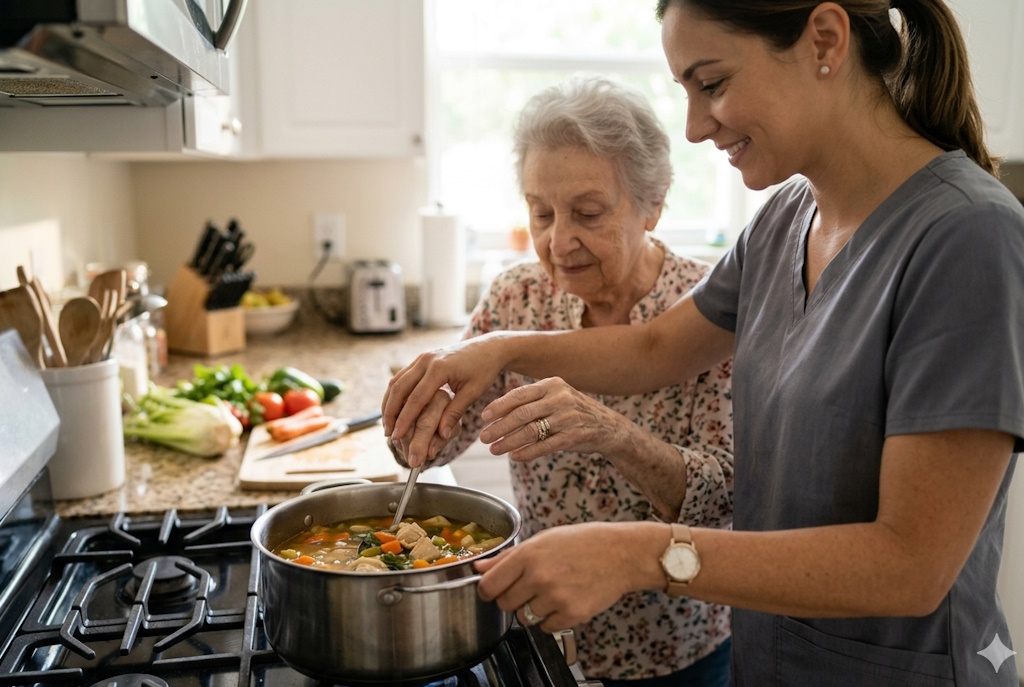
Professional home care services offer a level of consistency that is hard to maintain alone. When experts step in to handle meal preparation, they bring a wealth of knowledge regarding texture modifications and dietary restrictions. This means meals are not only safe and healthy but also tailored to the personal preferences of the individual, which encourages a better appetite. Having a dedicated staff member prepare fresh breakfast, lunch, and dinner ensures that the senior receives constant social interaction during mealtimes, which has been shown to improve caloric intake and mental well being. This transition often results in improved energy levels and a more stable health profile for the senior, providing the entire family with much needed peace of mind.
Deciding to seek professional help is not a sign of failure but a proactive step toward ensuring a higher quality of life. By addressing the complexities of the kitchen early on, you can prevent many of the common health crises associated with malnutrition and dehydration. If you are noticing that mealtime has become a battleground or a source of anxiety, reaching out for a consultation can be the first step toward a healthier, happier home environment. Your loved one deserves to enjoy their meals, and you deserve the space to focus on the moments that truly matter. At Premier Homecare Services, we understand that food is more than just fuel; it is a way of showing love and maintaining dignity. Let us help you manage the daily details so you can enjoy the peace of mind that comes with knowing your family is well fed and cared for.