

Long afternoons can feel empty for a senior who spends most days at home. The television hums along. Hours pass without much to do. Over time, that quiet can wear down mood, memory, and motivation. Engaging activities for elderly adults offer a simple way to change that. A few well chosen activities give the day shape and purpose. They also give the mind something worth working on. Families often assume a senior prefers rest, when boredom is really the problem.
Topics Covered
What engaging activities for elderly adults actually include
Why the mind needs daily stimulation
Simple ideas for quiet afternoons at home
Adapting engaging activities for elderly people with limited mobility
How a companion makes engaging activities for elderly loved ones easier to start
What Engaging Activities for Elderly Adults Actually Include
Engaging activities for elderly adults go beyond keeping busy. The best ones match a person’s interests, energy, and abilities. A former gardener might enjoy potting herbs on a sunny windowsill. A retired teacher might love reading aloud or working through crossword puzzles. Activities work best when they feel meaningful rather than assigned. Caregivers can learn a lot by asking about hobbies, past jobs, and favorite memories. Those answers point toward activities a senior will actually want to do, and these memory loss activities show how to match tasks to past interests. They also make the time together feel more personal. A personalized home care plan often builds these interests into the weekly schedule. A good activity should leave a senior feeling capable, not tested. Family stories help here too. A grandparent who once sewed, fished, or fixed radios often lights up when asked to share that skill. Teaching a younger person, even over a video call, adds purpose to the afternoon.
Why the Mind Needs Daily Stimulation
The brain responds to use, much like a muscle. Regular mental activity helps keep thinking skills sharp. Social contact adds another layer of benefit. Researchers have linked cognitively stimulating activities to better brain health in older adults. Boredom, on the other hand, often leads to low mood and withdrawal. Seniors who sit idle for long stretches may sleep poorly and lose interest in eating. A steady routine of activities can help reverse that pattern. Even twenty minutes a day makes a difference. Consistency matters more than length. Short sessions also suit seniors who tire easily. Many families find that a morning activity and a smaller afternoon one balance the day well. Pairing an activity with a snack or a cup of tea can turn it into a pleasant ritual. Families facing memory changes can also review our dementia care strategies.
Simple Ideas for Quiet Afternoons at Home
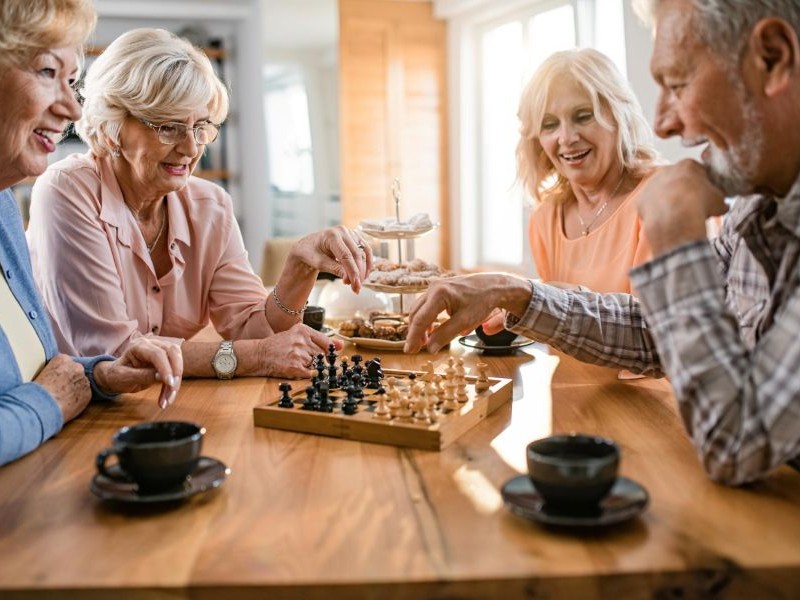
Simple ideas often work best. Card games and board games invite conversation and friendly competition. Jigsaw puzzles build focus and offer a clear sense of progress. Music brings back memories quickly, so a favorite playlist can spark stories and singing. Looking through old photo albums works the same way. Light cooking or baking engages several senses at once. Even folding warm towels together can feel satisfying. Short walks around the garden add fresh air and gentle movement. Our fall prevention tips help keep those walks safe. Rotating a few favorites keeps the routine from feeling stale. A longer list of activities at home can supply fresh ideas. Seasonal touches help as well. Sorting holiday cards in December or arranging fresh flowers in spring ties the day to something larger. Simple choices, like picking the music or the next puzzle, also give a senior a welcome sense of control.
Adapting Engaging Activities for Elderly People With Limited Mobility
Limited mobility does not rule out engaging activities for elderly loved ones. Many options work from a chair or bed. Gentle chair exercises, simple crafts, and painting all need very little movement. Large piece puzzles and large print books suit seniors with vision changes. Audiobooks and music help when reading becomes tiring. Seniors with memory loss often enjoy familiar tasks, like sorting buttons or matching socks. Keep instructions short and the setup simple. Celebrate effort instead of results. If frustration builds, switch to something easier without fuss. Safety matters too, so clear walkways and keep supplies within easy reach. Watch for signs of fatigue and stop before frustration sets in. Good lighting makes a real difference for crafts, reading, and card games. A comfortable chair with solid back support helps, since seniors tend to stay engaged longer when they feel physically at ease. Seniors recovering from an operation can also read our guide to post surgical recovery.
How a Companion Makes Activities Easier to Start
Starting is often the hardest part. A senior who feels tired or low may say no to every idea. A companion can gently change that. Rather than asking what the senior wants to do, a caregiver might simply start folding laundry or setting up a card table. Many seniors join in once something is already underway. A companion also handles the setup, supplies, and cleanup. That removes the barriers that make activities feel like work. Over time, regular visits create anticipation. Seniors begin to look forward to Tuesday’s puzzle or Thursday’s baking. That sense of anticipation matters as much as the activity itself. Regular visits also ease loneliness and isolation, which affect many older adults living alone. A companion also notices how a senior responds. Perhaps a certain song brings a smile, or a task seems too hard today. Caregivers can adjust quickly and share those observations with family. Those small details help everyone plan better visits. Our overview of companion care benefits explains more.
Engaging activities for elderly loved ones do not need to be fancy or expensive. They need to be familiar, enjoyable, and regular. A deck of cards, a photo album, or a favorite song can fill an afternoon with meaning. With a little planning and a caring companion, quiet days can become some of the best parts of the week.

References:
Participating in Cognitively Stimulating Activities Helps Optimize Brain Health in Older Adulthood