
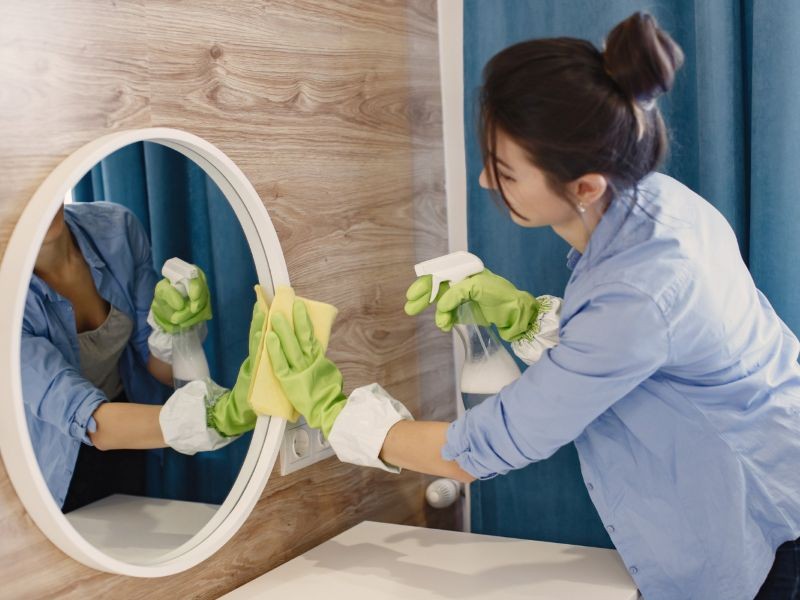
A cluttered hallway, an overflowing laundry basket, or dishes piling up in the sink might seem like minor annoyances. But for a senior living alone, these small signs often point to something bigger. Home tidying senior care addresses these everyday tasks before they turn into safety hazards or sources of stress, keeping a living space clean, organized, and easy to move through safely. It is one of those quiet forms of support that rarely gets much attention until its absence becomes obvious.
Topics Covered
What home tidying senior care actually includes
Why home tidying senior care matters for safety
How home tidying senior care supports physical and mental health
Keeping laundry manageable without taking over independence
What to look for in quality housekeeping support
What Home Tidying Senior Care Actually Includes
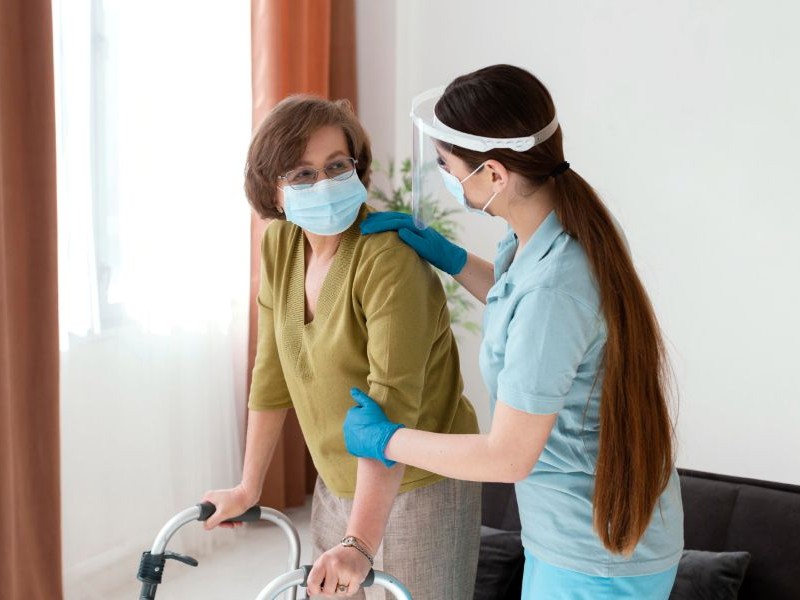
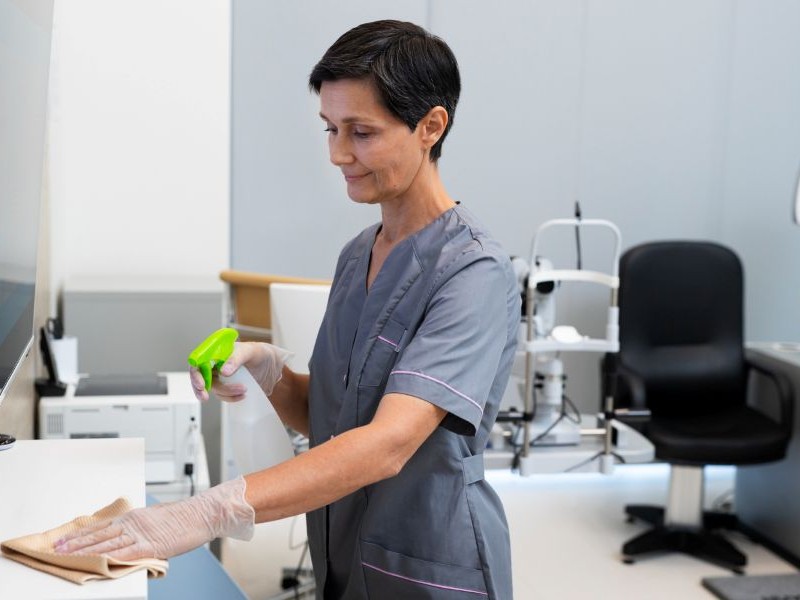
Home tidying senior care covers the everyday upkeep that keeps a home livable. Think light dusting, vacuuming, dishwashing, and general straightening up of common areas. It is not the same as deep cleaning or major home repairs, but rather the steady, ongoing maintenance that prevents small messes from becoming overwhelming, a distinction that echoes the guidance in the NIA’s own home safety checklist. A caregiver providing this kind of support pays attention to what matters most to the senior, respecting their space and belongings while still keeping the home functional and pleasant to live in. Understanding how this fits alongside other services can help, and our overview of home care benefits is a good place to start. Many caregivers also pick up on a senior’s specific habits over time, like where certain items belong, so the home still feels familiar rather than rearranged by a stranger.
Why Home Tidying Senior Care Matters for Safety
As mobility changes with age, clutter stops being a cosmetic issue and starts becoming a genuine safety risk. Stacks of newspapers, loose cords, or shoes left in walkways can easily lead to a trip or fall, especially for someone already unsteady on their feet. This same logic shows up in the NIA’s room by room guide to fall prevention. Home tidying senior care removes these hazards proactively, keeping floors clear and pathways open so a senior can move through their home with confidence rather than caution at every step. Pairing this with our own fall prevention tips can give families an even clearer picture of what to watch for. Even a well modified home can become risky again if clutter is left to build back up over time.
How Home Tidying Senior Care Supports Physical and Mental Health
A tidy, organized home does more than look nice, it has a real effect on both physical safety and mental wellbeing. Research on clutter and stress has found a real link between disorganized living spaces and higher anxiety levels. For seniors already managing health concerns, a chaotic environment can make daily life feel harder than it needs to be. Home tidying senior care creates a calmer, more predictable space, which can be especially valuable for seniors experiencing memory changes, and this ties closely into broader caregiver stress relief strategies for the whole family, not just the senior receiving care. A familiar, orderly environment can also reduce disorientation for seniors who find a shifting or cluttered space harder to navigate.
Keeping Laundry Manageable Without Taking Over Independence
Laundry is one of those tasks that quietly becomes difficult once bending, lifting, or standing for long periods becomes a challenge. Home tidying senior care typically includes washing, drying, and folding laundry on a regular schedule, without taking over the parts of the routine a senior still wants to handle themselves. This kind of support fits into the broader picture of what it takes to stay living independently, something the NIA covers well in its guide to aging in place. For seniors managing memory related conditions, this balance often overlaps with the approach outlined in our guide to dementia care strategies. A good caregiver also pays attention to details like fabric care instructions or unscented detergents when skin sensitivities are a concern.
What to Look for in Quality Housekeeping Support
Not every senior needs the same level of housekeeping support. Some may only need occasional help with laundry or heavier chores, while others benefit from more regular tidying throughout the week. A good provider should be reliable, respectful of a senior’s belongings and routines, and willing to adjust their approach as needs change over time, much like the practical suggestions found in these fall proofing tips. If starting this conversation with a parent feels difficult, our piece on talking to parents can help make it easier.
Home tidying senior care is easy to overlook until clutter starts affecting safety or mood. It plays a quiet but meaningful role in keeping a home not just clean, but genuinely safe and comfortable to live in. For families, it also offers reassurance that a loved one’s living space is being cared for consistently, even when they cannot be there to help with every small task themselves. Over time, this steady support tends to become one of the most dependable parts of a senior’s week, even if it rarely gets talked about directly.
References:
Worksheet: Home Safety Checklist