
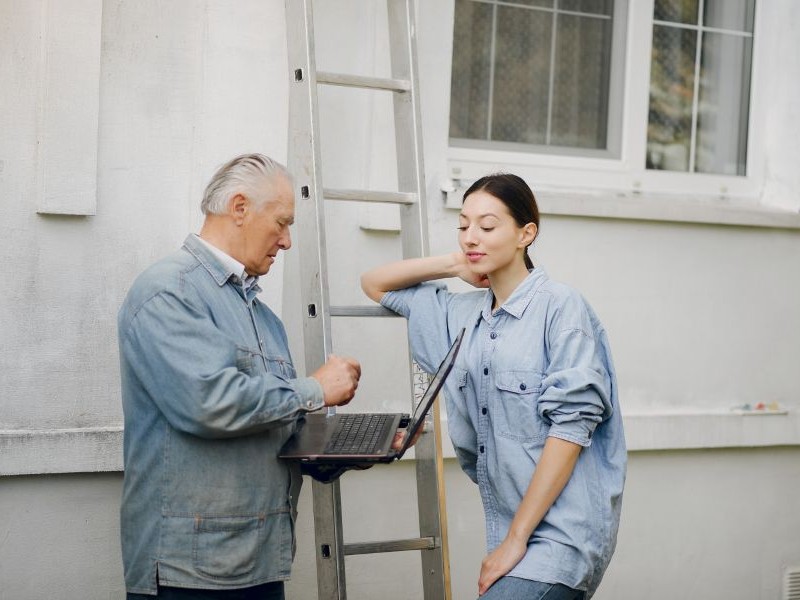
Most families think about fall prevention only after something has already gone wrong. A stumble on the stairs, a slip in the bathroom, or a fall that leads to a hospital visit. A senior home safety assessment flips that approach by identifying risks before they turn into emergencies. Rather than relying on generic checklists, a proper assessment looks at the specific layout, habits, and health needs of the person actually living in that space. It’s one of the most overlooked steps a family can take, simply because it addresses risk before an incident forces the issue.
Topics Covered
What a senior home safety assessment actually involves
Why an RN-led evaluation catches more than a DIY checklist
Common hazards a home safety assessment uncovers
How assessment findings turn into real changes
When to schedule a senior home safety assessment
What a Senior Home Safety Assessment Actually Involves
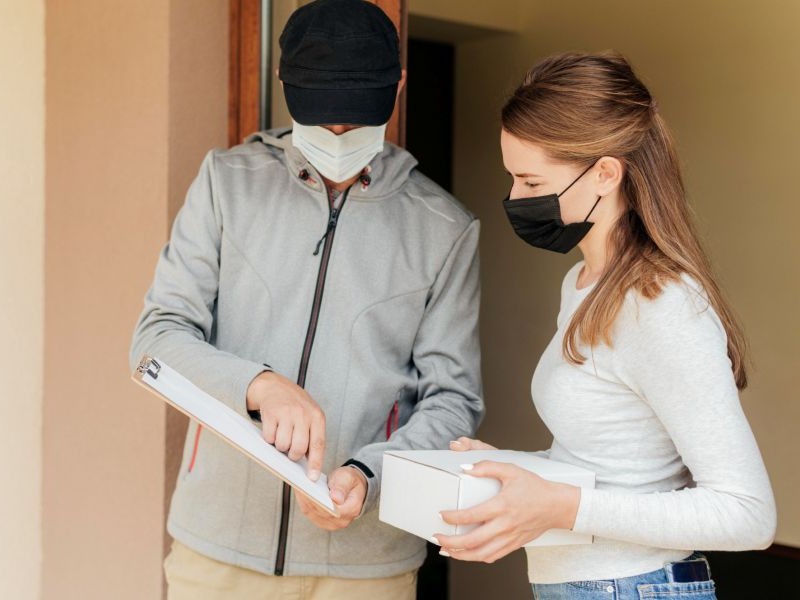
A senior home safety assessment is a structured walkthrough of a person’s living space, done with their specific mobility, vision, and health conditions in mind. It usually means examining every room a senior regularly uses, from the bedroom and bathroom to the kitchen and entryways, similar to the approach outlined in this room by room safety guide. But a good assessment goes further than spotting hazards. It also looks at how a senior actually moves through their home during a normal day, since risk often shows up in the transitions between rooms rather than in any single spot. This kind of review often ties into broader care coordination, so it’s worth reading our guide to nurse case management if you’re weighing ongoing support alongside a one-time assessment.
Why an RN-Led Evaluation Catches More Than a DIY Checklist
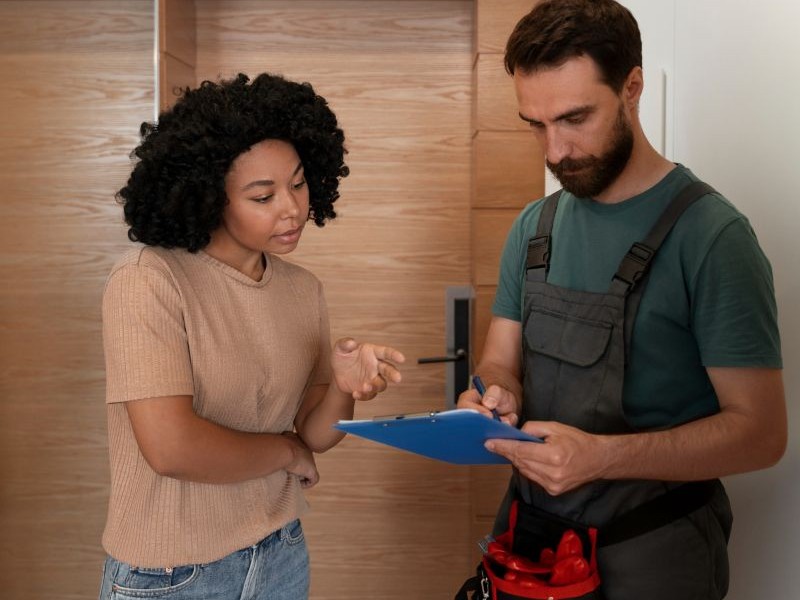
Plenty of families start with a printable checklist found online, and tools like STEADI patient resources are a decent starting point. But a checklist can’t replace clinical judgment. When a Registered Nurse conducts a senior home safety assessment, they understand how conditions like arthritis, vertigo, or medication side effects affect balance in ways a general list simply can’t capture. An RN can also connect what they see in the home to a senior’s broader health picture, catching concerns a family member might not think to mention. This kind of clinical insight overlaps closely with the case management benefits many families come to rely on as care needs grow more complex.
Common Hazards a Home Safety Assessment Uncovers
Some of the hazards a senior home safety assessment turns up seem minor at first glance but carry real risk. Loose area rugs, poor lighting in hallways, cluttered walkways, and slippery bathroom surfaces are the usual suspects, alongside less obvious issues like furniture crowded too close together or stairs missing a handrail on one side. The AARP HomeFit guide covers many of these in more detail. Even small things, like a pet that weaves underfoot or a cord running across a well-worn path, can raise fall risk more than people expect. Our own fall prevention tips are worth a look too, for spotting these issues between formal assessments.
How Assessment Findings Turn Into Real Changes
Spotting hazards only matters if it leads somewhere. After a senior home safety assessment, families typically get specific, prioritized recommendations instead of a vague list of general advice, grounded in the same research behind falls and fractures among older adults. That might mean grab bars near the toilet and shower, furniture moved to widen a walkway, brighter bulbs in dim spots, or rugs secured so they stop shifting underfoot. Because these recommendations come from an actual look at the home and the person living in it, they tend to get implemented far more often than generic safety tips do, especially during the sensitive stretch covered in our guide to post hospital recovery.
When to Schedule a Senior Home Safety Assessment
A senior home safety assessment is worth scheduling proactively, not just after a fall or a hospital stay. Good timing includes right after a change in health status, following a recent near miss, or simply as part of an annual check-in as mobility and vision shift with age, a pattern that shows up clearly in national falls data statistics. Families with a loved one recovering from surgery should also consider scheduling one before they return home, since needs often look different after a medical event than they did before it. If bringing this up feels awkward, our piece on talking to parents can help make that first conversation easier.
A senior home safety assessment is one of the most practical steps a family can take to protect an aging loved one, without waiting for a crisis to force the issue. It combines clinical insight with a close look at daily habits, turning vague worry into a concrete, actionable plan. For families who want peace of mind instead of guesswork, this kind of evaluation is a clear place to start.
References:
Preventing Falls at Home: Room by Room