
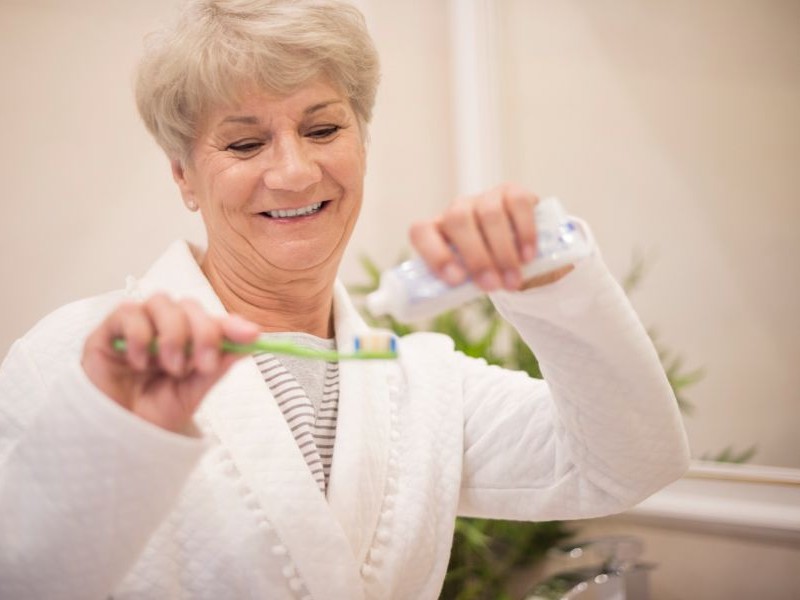
Personal hygiene is one of those daily routines that most people take for granted until it becomes difficult to manage alone. For seniors dealing with mobility issues, memory changes, or simple fatigue, something as basic as bathing or brushing teeth can start to feel overwhelming. Senior hygiene care exists to make sure these needs are met with patience, safety, and respect, so a decline in independence never has to mean a decline in cleanliness or comfort. Getting this right often has a bigger impact on daily wellbeing than families expect, since it touches on health, safety, and self esteem all at once.
Topics Covered
What good senior hygiene care actually looks like
Why the bathroom becomes one of the riskiest rooms in the home
How consistent hygiene protects overall health
Protecting dignity during personal care
What to look for in quality hygiene support

What Good Senior Hygiene Care Actually Looks Like
Good senior hygiene care goes far beyond simply helping someone bathe. It includes assistance with grooming, oral care, dressing, and skin care, all delivered in a way that respects the senior’s pace and preferences. A caregiver providing this kind of support pays close attention to comfort, using warm water, gentle products, and a calm approach, especially for seniors who may feel anxious or resistant, following the same principles found in guidance on bathing dressing grooming for those with memory related conditions. For families navigating cognitive changes alongside hygiene needs, our overview of dementia care strategies covers how these two areas often overlap in practice. Many caregivers also find that keeping a simple, predictable routine, such as bathing at the same time each day, helps reduce anxiety and resistance over time.
Why the Bathroom Becomes One of the Riskiest Rooms in the Home
The bathroom is consistently one of the most dangerous rooms in a senior’s home, largely because of wet, slippery surfaces combined with tight spaces. Senior hygiene care includes making sure bathing happens safely, whether that means using a shower chair, installing grab bars, or simply having a second set of hands present in case of a stumble. Falls and fractures remain one of the leading causes of injury among older adults, and many of those falls happen during routine hygiene tasks. Reviewing practical fall prevention tips alongside a hygiene routine can help families reduce this risk significantly before it ever becomes a problem. Simple additions like nonslip mats, adequate lighting, and a shower seat can turn a routine bathing task into a much safer daily habit.
How Consistent Hygiene Protects Overall Health
Consistent hygiene does more than keep a senior looking and feeling clean, it plays a direct role in preventing infection and skin breakdown. Aging skin becomes thinner and more fragile over time, making regular, gentle care essential for avoiding irritation, pressure sores, or wounds that heal slowly, a pattern well documented in resources on skin care and aging. Senior hygiene care that includes routine skin checks can catch small issues before they become serious, which matters even more for seniors recovering from a hospital stay or procedure, as outlined in our guide to post surgical recovery. Catching a minor skin issue early can prevent a much longer and more difficult recovery process down the line.
Protecting Dignity During Personal Care
Needing help with bathing, dressing, or toileting can feel deeply uncomfortable for many seniors, who may associate it with a loss of independence or privacy. Senior hygiene care done well prioritizes dignity at every step, explaining each task clearly, offering choices where possible, and maintaining privacy throughout. Practical, respectful approaches like those found in guidance on personal hygiene tips can make a real difference in how comfortable a senior feels accepting help. When the conversation about needing this kind of support hasn’t happened yet, our piece on talking to parents can make that first discussion easier for everyone involved. Framing these tasks matter of factly, rather than treating them as a big event, often helps a senior feel less singled out or embarrassed.
What to Look for in Quality Hygiene Support
Not every senior needs the same level of hygiene support. Some may only need occasional help with harder to reach areas, while others require full daily assistance with bathing, dressing, and grooming. A good provider should be patient, detail oriented, and willing to adjust their approach based on what makes the senior most comfortable, and reviewing community care options can help families understand the full range of support available. Reviewing typical home care benefits ahead of time can also help families understand what a thorough plan usually includes, and asking how a provider handles sensitive tasks, and whether the senior can request a caregiver they feel most comfortable with, is also worth bringing up early on.
Senior hygiene care is easy to overlook until a decline becomes visible, but it plays a central role in health, comfort, and dignity every single day. It protects against infection, reduces fall risk, and helps seniors feel like themselves even as their needs change. For families, it also offers real reassurance that a loved one is being cared for with the same patience and respect they would want for themselves.

References:
Alzheimer’s Caregiving: Bathing, Dressing, and Grooming