
For many families, mealtime becomes one of the first quiet warning signs that something has changed. A parent who used to cook every night might start skipping breakfast, relying on the same easy snack, or forgetting to eat altogether. Meal preparation for elderly loved ones is about far more than getting food on the table. It is one of the simplest ways to protect health, catch early warning signs, and keep daily life feeling normal even as other things become harder. What looks like a small routine on the surface often turns out to be one of the most reliable indicators of how someone is really doing day to day.
Topics Covered
- What meal preparation for elderly adults actually involves
- Why skipped meals become a bigger risk with age
- How better meal prep boosts elderly health outcomes
- Making mealtime a source of connection, not just a chore
- What to look for in quality meal preparation support
What Meal Preparation for Elderly Adults Actually Involves
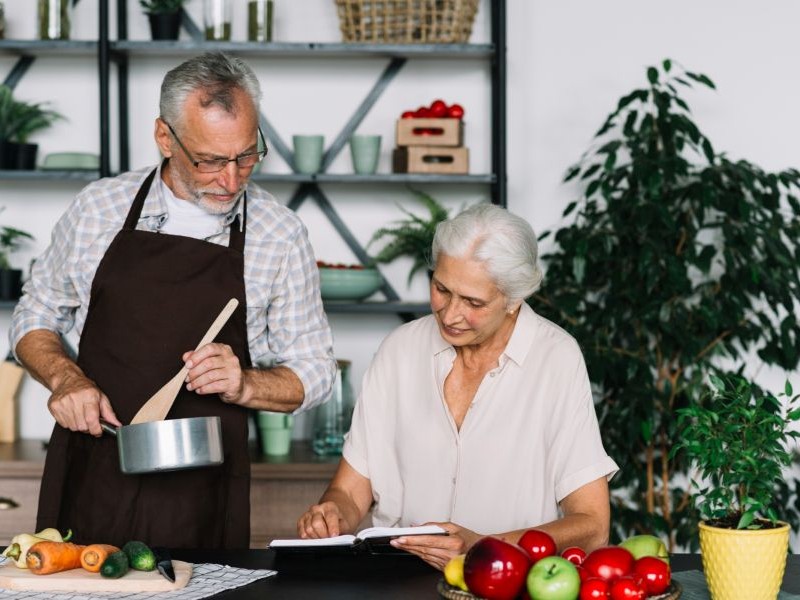
Meal preparation for elderly adults covers much more than simply cooking a dish and setting it on the table. It often includes planning balanced meals around specific dietary needs, grocery shopping for fresh ingredients, and adjusting recipes for conditions like diabetes, high blood pressure, or difficulty chewing and swallowing. A caregiver providing this kind of support pays attention to portion sizes, hydration, and variety, making sure meals stay appealing instead of repetitive, and following NIA meal planning guidelines can help keep those choices on track. For many seniors, a caregiver who understands their preferences and restrictions can be the difference between eating well and barely eating at all. Many families also find it helpful to start with a few hearty breakfast ideas, since a solid first meal often sets the tone for how well someone eats the rest of the day.
Why Skipped Meals Become a Bigger Risk With Age
As people age, the risk of skipping meals altogether goes up, often for reasons that have little to do with appetite. Fatigue, mobility issues, memory problems, or simply not wanting to cook for one person can all lead to irregular eating habits. Meal preparation for elderly individuals removes that barrier entirely, ensuring meals happen on a consistent schedule regardless of energy level or motivation that day, and reviewing simple eating well tips can help families spot small changes early. Left unaddressed, skipped meals can quietly snowball into weight loss and weakened immunity, and our senior nutrition guide covers what to watch for before it gets serious.
How Better Meal Prep Boosts Elderly Health Outcomes
Good nutrition plays a direct role in nearly every aspect of senior health, from energy levels to cognitive function to how well the body heals after a medical event. Meal preparation for elderly adults that accounts for individual health conditions can help manage chronic issues like diabetes or heart disease far more effectively than medication alone, and understanding the core healthy food groups makes it easier to build balanced meals week to week. Consistent, well balanced meals also support a stronger immune system, which matters even more for seniors who may already be managing multiple health concerns at once. Keeping up with practical grocery shopping tips can also make it easier to stock a kitchen with the right ingredients without overspending or overbuying.
Making Mealtime a Source of Connection, Not Just a Chore
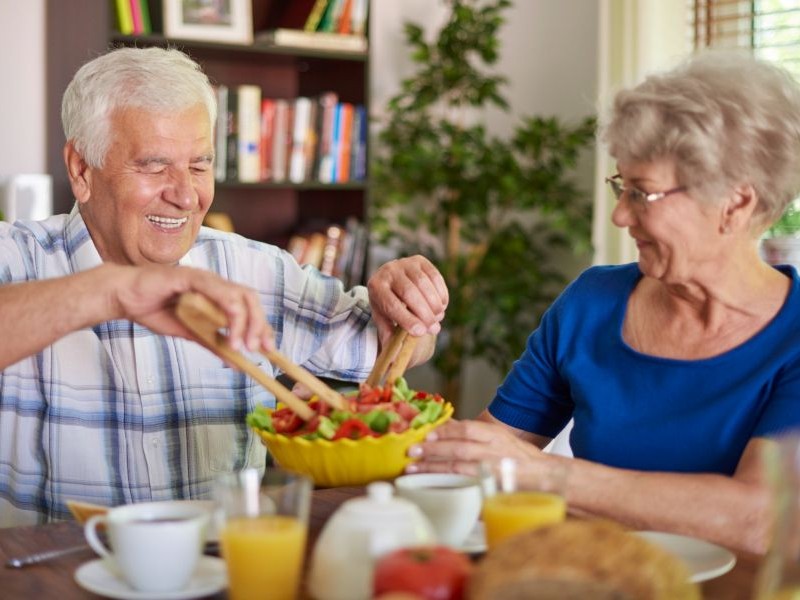
Beyond the nutritional side, mealtime carries an emotional weight that is easy to overlook. Eating alone day after day can deepen feelings of isolation, while sharing a meal with a caregiver turns a routine task into a moment of genuine connection. Meal preparation for elderly clients often includes sitting down together, having conversation, and making the meal itself feel less like a chore and more like a highlight of the day, and reviewing healthy eating basics together can even turn into a shared activity. This social element can matter just as much as the food itself when it comes to overall wellbeing, and families juggling their own routines may find some caregiver wellbeing tips useful for keeping that balance sustainable on their end too.
What to Look for in Quality Meal Preparation Support
Not every senior needs the same level of meal support. Some may only need help with grocery shopping and occasional meal prep, while others require full daily meal planning around specific medical needs, and programs like Meals on Wheels America can be a useful supplement for those living alone. A good provider should ask detailed questions about allergies, preferences, and health conditions before building a meal plan, and should be willing to adjust as needs change over time. Families should also look for consistency, and reviewing what different home care benefits typically include can help set realistic expectations before choosing a provider.
Meal preparation for elderly loved ones is easy to underestimate until it becomes clear how much it affects daily wellbeing. It supports physical health, prevents small problems from becoming serious ones, and gives families peace of mind that their loved one is eating well even when they cannot be there for every meal. For many seniors, it also restores something simple but important, the pleasure of sitting down to a good meal that was made just for them.